How it all started!

I imagine all teachers remember their first lesson. Ah, I certainly remember my first day as a teacher – it is a recurring nightmare. There I was, a fresh-faced 20-year-old graduate armed only with a 3rd class degree in English and Drama, ready to conquer the teaching world. Or so I thought.

Now, I didn’t choose teaching; teaching chose me. I wanted to be a star of stage and screen.  Teaching was like an unexpected blind date set up by anxious parents. It all began when my dear mother, fueled by an unrelenting ambition for her only son, stumbled upon an advert for English teachers in North Africa. Without consulting me or considering my life plans, she promptly enlisted my unsuspecting father to apply on my behalf. Before I could say “Laurence Olivier,” I found myself in an interview at the swanky Regent Palace Hotel in London.

The interview, led by an Irish man named Charles Kirkpatrick and a mysterious Arab gentleman, started with a few pleasantries. Little did they know, I was about as qualified for teaching as a fish for mountain climbing.

In a fit of honesty, I confessed my lack of teaching experience and apologized, blaming my parents for the mix up. But fate, it seems, had other plans. A day later the phone rang, and it was Charles Kirkpatrick with an offer – a one-year contract to teach English in Libya. Libya! In 1980 Libya was a pariah state harboring terrorists and occasionally bombed by the US air force. My parents, eager to see me spread my wings, enthusiastically gave their blessing. And just like that, I was flying to Libya, armed with nothing but a degree in drama and a suitcase full of naivety.

Fast forward to my first day as a teacher in Libya. My hands were shaking so much I couldn’t even write on the whiteboard. The horrible cold realisation I had no clue what I was doing. Panic stricken. I got to break time and heard commotion outside the Director’s office. My immediate thought was all the students were complaining about me. I resigned myself to being fired.  It was clear to me then that no one should enter the classroom with no training for teaching.
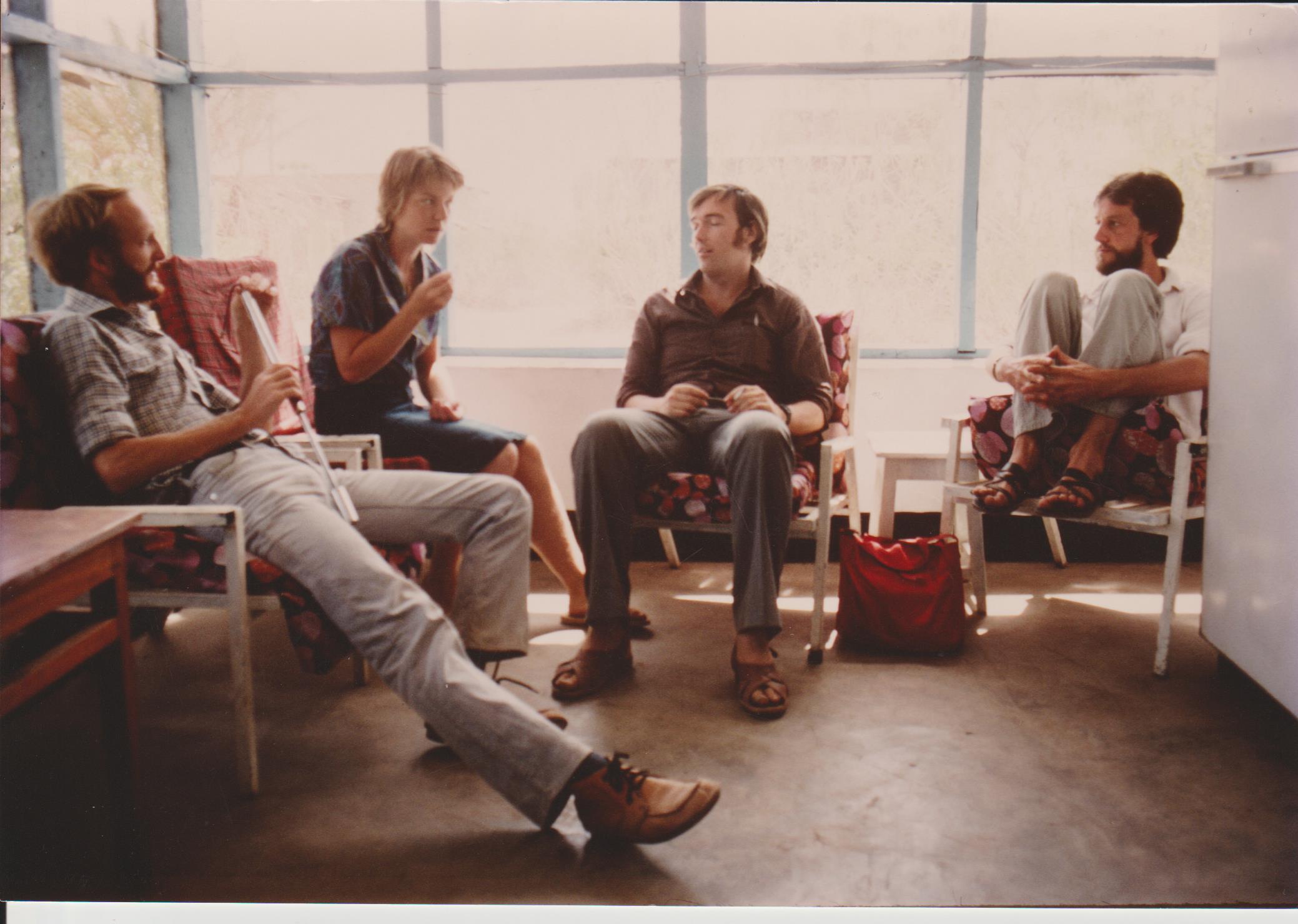
Actually, to say I had no training is not totally true. I had observed one lesson the previous day. Salvation arrived in the form of David, a 22-year-old teacher with a whopping one year of experience. I thought, “Great, I can observe David and learn the ropes.” Little did I know David was about as stable as jelly in an earthquake.

As I observed David’s lesson, things seemed OK, somewhat quirky but nothing too unusual – questions were asked, students responded. It appeared manageable. I thought, this is not so difficult. I can do this. Little did I know, I had just received my crash course in teaching from a paranoid schizophrenic. Yep, David was a real head case.

I am in the teachers’ room waiting for my dismissal when the Director of Studies bursts in, white-faced and flustered, with news that David’s class had turned into a psychological horror movie. The director turned to me, asking, “You saw him yesterday. Why didn’t you say something?”

My response? “Errr I thought David’s lesson was quite good.” Genius move, why was I evaluating a lesson? I knew as much about a good lesson as a fish knows about climbing trees. It turned out David was more than just an unconventional teacher; he was battling paranoid schizophrenia. And there I was, thinking my shaky whiteboard skills were the biggest problem of the day.

So, thanks to David’s dramatic intervention, I not only survived my first hour but also gained a whole new perspective on the difficulties teachers face. My nervousness and stage fright seemed insignificant to the demons David was confronting. So thanks to David I not only survived my first day but also realized that fear that seems insurmountable can be overcome when put into a proper perspective.

Was it destiny? Reflecting on the past it is plain the seeds of my interest in teacher training and helping teachers develop their skills was sown on that first day.
Posted in TEFL, Uncategorized | Tagged , , , , , | 1 Comment

Community Forums

Empowering Teachers Through Community Forums

Free Webinar

Time: Thursday January 25th at 19.00 (Istanbul time)

Register with this link.

https://us02web.zoom.us/meeting/register/tZMvdO6grjsvHNQ7YGmIDMBboRSGai44e5-s

Teaching is a rewarding yet demanding journey, filled with challenges that often require a collective effort to overcome. Are you eager to discover a unique and engaging approach to addressing these challenges within a supportive community?

Explore the untapped potential of participatory methodology in ELT Teacher Education and discover how it can address the hurdles teachers face. This innovative webinar provides a structure for educators to openly share their concerns, worries, and difficulties, fostering a culture of collaboration and mutual support. Discover the experiential world of participatory methodology that empower teachers to actively shape their own professional development.

Join us as we explore Community Forums, a captivating adaptation of Forum Theatre. In this interactive space, participants collectively re-enact real-life teaching challenges, collaboratively seeking solutions. Community Forums are not just discussions; they are participant-led, solution-oriented, and multi-voiced opportunities for reflection and dialogue on critical incidents faced by teachers. What’s more, these forums are not just about identifying problems – it’s also an opportunity to develop facilitation skills. Become a catalyst for positive change in your teaching community by honing the ability to guide and facilitate productive discussions.

Register now to embark on a journey of collaborative problem-solving, skill development, and community building. Together, let’s create a supportive space where educators thrive and solutions flourish!

All attendees will receive a certificate from ITI.

Dr Tom Godfrey

Dr. Tom Godfrey is the CEO of International Training Institute (ITI), a renowned teacher training center situated in Istanbul. With global experience in teaching and teacher training across multiple countries, Tom brings a depth of experience of innovative and experimental educational methodologies to the forefront.

Tom’s academic journey includes an MA in Teaching English as a Foreign Language (TEFL) from Reading University and an Ed.D from Exeter University, UK. His expertise extends to the realm of embodied and holistic learning approaches, evident in his published works encompassing Teacher Development. Tom’s commitment to cultivating holistic learning environments has positioned him as an authority in integrating embodied approaches into learning contexts.

Beyond academia, Tom’s passion for theatre has been a driving force throughout his career. As an EFL teacher and teacher trainer worldwide, he has blended his theatrical interests with education. This fusion was further solidified by his completion of an MA in Applied Theatre at Exeter University, focusing on how Applied Theatre can impact Teacher Education.

Tom’s commitment to community welfare and education is evident through his founding of the Speech Bubbles Theatre Group. This initiative not only showcases his theatrical acumen but also serves as a platform to generate funds in support of education and children’s causes.

His multifaceted endeavors also include the creation of a documentary film (The CELTA Experience) chronicling the experiences of training to become an English Language Teacher.

Posted in Teacher Development | Tagged , , , , , , , , , | Leave a comment

Documentary Film: “The CELTA EXPERIENCE”

Logline: Join the journey into the heart of ELT training, exploring the transformations of aspiring participants during the CELTA course.

Synopsis:

“The CELTA EXPERIENCE” is a groundbreaking documentary groundbreaking documentary that provides an exclusive and enlightening insight into the world of ELT training. Each year, thousands of individuals worldwide leave their families and cultures to pursue their dreams of becoming English Language Teachers. This documentary captures the essence of their journey, echoing the thrilling feelings of excitement and challenge.

Set in a training center in Istanbul, “The CELTA EXPERIENCE” follows three enthusiastic participants. We witness their mental struggles and their emotional rollercoaster of fears and joys. The film offers an authentic ‘bottom-up’ portrayal of the challenges faced by ELT teachers in the making.

Here’s why we made “The CELTA EXPERIENCE”:

Inspiration for Aspiring Educators: “The CELTA EXPERIENCE” depicts the transformative journey of individuals who aspire to become English Language Teachers. Their dedication, challenges, and eventual success can inspire others to follow in their footsteps.

Professional Development: The documentary provides a participant perspective into the CELTA course, shedding light on its effectiveness in preparing teachers for the real-world challenges of English language education.

Informing a Wider Audience: We aim to reach as large an audience as possible to dispel the common notion that TEFL is merely a gap-year adventure. Instead, we want to portray TEFL training as a rigorous, demanding endeavor that develops essential life skills.

Conclusion:

“The CELTA EXPERIENCE” is not just a documentary; it is a life-changing event for many ELT teachers. The film presents an opportunity to dive deep into the world of English Language Teacher training, to empathize with the dreams, struggles, and successes of aspiring educators. “The CELTA EXPERIENCE” highlights the essential skills of effective teaching, but also important life skills relevant to personal and professional development. Our documentary aims to galvanize the support and cooperation of the ELT profession. By showcasing the challenges and triumphs of CELTA training, we hope to foster a sense of community and shared purpose among educators.

With these aims in mind we kindly invite your support and help. If you are interested and wish to help with this project please email me: tom@iti-istanbul.com

Please write your feedback comments

Posted in Documentary film | Tagged , , , , , , , | Leave a comment

Embodied Pedagogy: Performative Teacher Development (Part 3)

Reflecting through Action

One potent method to heighten awareness of our sense of self-identity involves reflecting on our behaviors in specific situations and activities. In my teacher development workshops, participants engage in various activities, followed by reflections on their conduct. This transformative approach allows individuals to explore why they behave in certain ways, thereby elevating their understanding of their identity.

Metaphorical Transformations

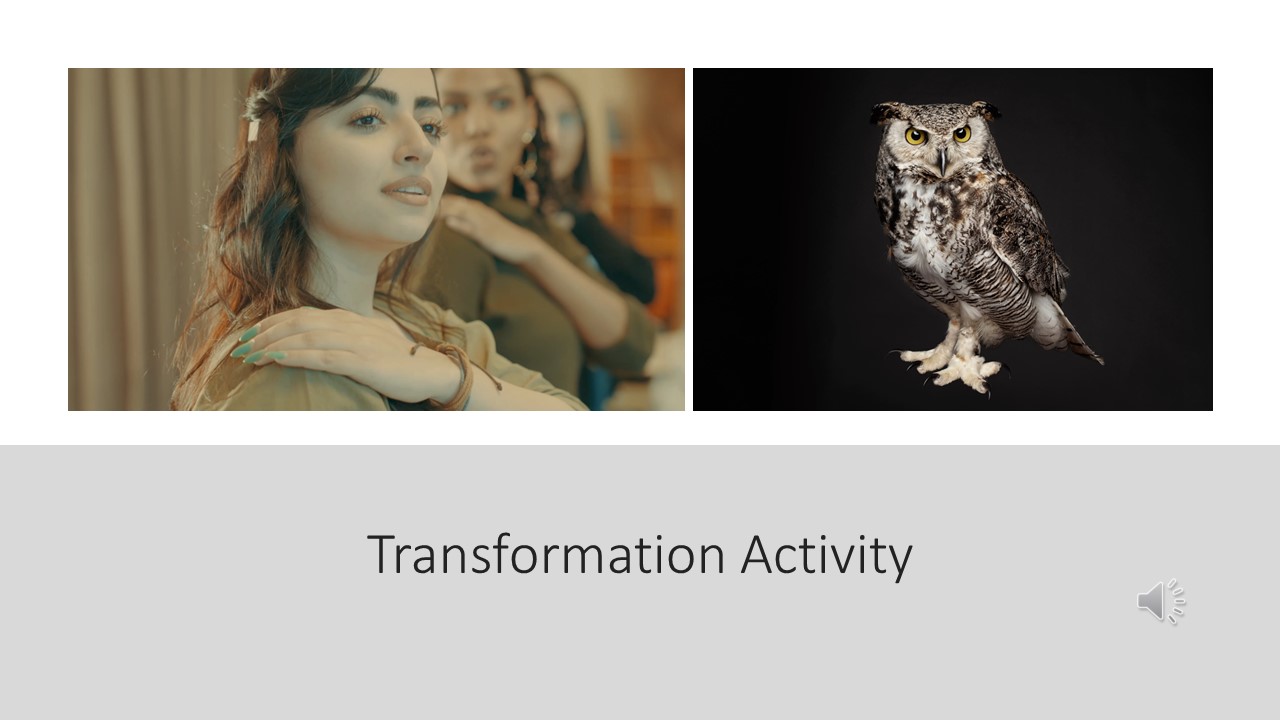
Imagine transforming yourself into an animal—an owl, to be precise. This isn’t about grammar; it’s an imaginative exercise borrowed from Alan Maley’s work on vocal activities. By embodying this transformation, we aim to stimulate teacher creativity and imagination. The subsequent reflection phase is crucial. Teachers often express feelings of discomfort or strangeness during the activity. Yet, children effortlessly and naturally engage in imaginative transformations during play. This contrast highlights the nature of drama—an avenue to unlock our imagination and nurture the child within us.

Facilitating Growth through Awareness

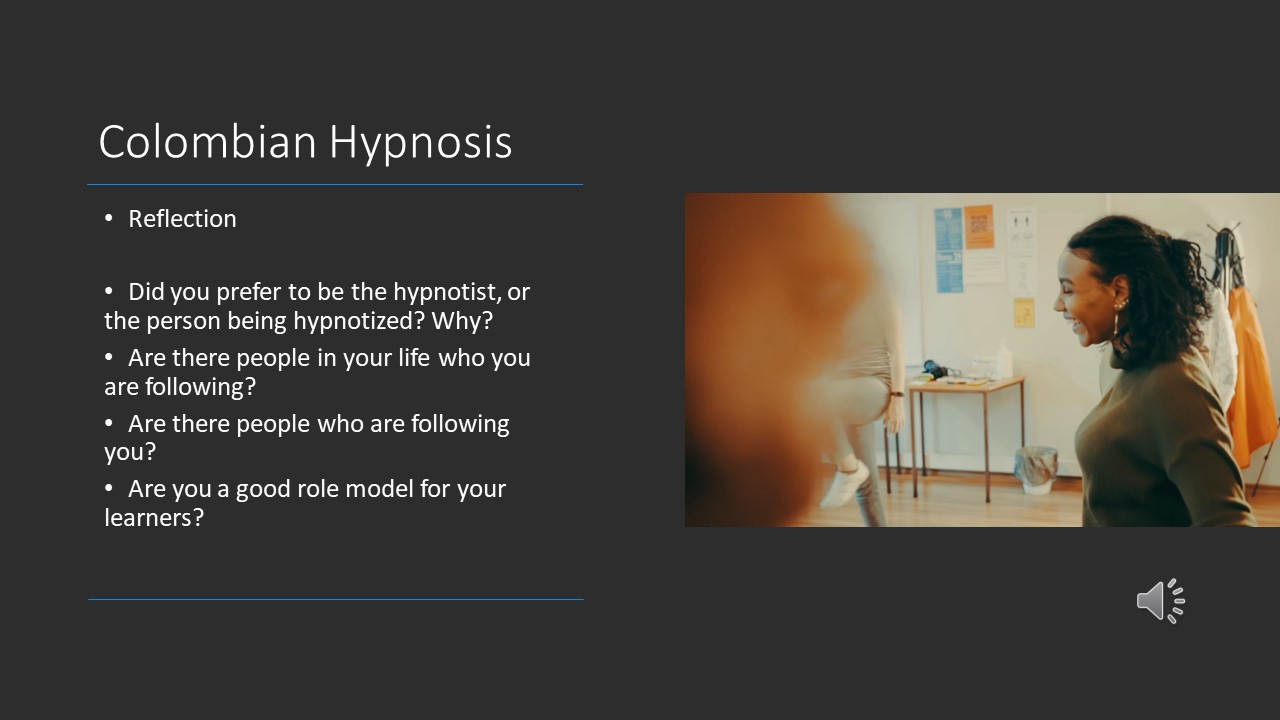
Facilitation involves three key elements: self-awareness, awareness of others, and understanding one’s identity in terms of beliefs and attitudes. To cultivate these skills, I employ an array of activities aimed at fostering self-discovery and developing interpersonal connections within groups. One activity to develop awareness of self and others in Columbian hypnosis:

Columbian Hypnosis

The reflection after this activity can include the following question prompts:

Interactive Techniques

From kinesthetic drills to engaging games, these activities stimulate group cohesion, enhance communication, and prompt reflection:

  • Cat and Mouse Tag: An energizing game fostering group coherence and communication. It triggers reflection on being chased or chasing in one’s life.
  • Map on the Floor: An activity fostering self-disclosure, building rapport, and trust within a group by sharing personal information.
  • Wink Game and Everyone Who…: Activities enhancing eye contact, concentration, and group movement, encouraging active participation and reflection on group dynamics.

Performative Skills and Teacher Development

Teacher education should delve into the wellspring of teachers’ creative energy and nurture personal expression through performative skills. By fostering self-awareness and reflection, performative pedagogy offers educators a shared experience, enabling them to articulate their struggles and develop a newfound level of self-efficacy.

The Quest for Performative Skills

While cognitive skills are widely acknowledged, the significance of performative skills remains undervalued in education. Raising awareness through activities that explore self, others, and context fosters meta-performative skills—enlightening educators about their life journey’s influence on their teaching identity.

Exploration and Invitation

In the upcoming face-to-face workshops this July, we will explore facilitation skills in teaching contexts, experiment with drama activities transferable to classrooms, and delve into the essence of being an ELT teacher. You can explore more insights on facilitation skills and drama in ELT through articles, lesson plans, and videos on my blog and YouTube channel.

Your Path to Growth

I invite you to join us on this enlightening journey of self-discovery and professional development. Embrace the transformative power of embodied pedagogy and immerse yourself in the realm of performative skills to elevate your teaching prowess.

As one of the participants from last year’s workshop attested:

Testimonial on the workshops

Let’s embark together on this transformative expedition of self-discovery and pedagogical growth!

Register here:

Posted in Teacher Development | Tagged , , , , , , , , , | Leave a comment

Teacher’s Identity: A Journey of Self-Discovery (Part 2)

The Essence of Identity

Our sense of self-identity forms the bedrock of who we are, not just as educators but as individuals. It intricately weaves together our behaviors, beliefs, attitudes, and emotions. To evolve and grow as teachers, we must explore our sense of identity. But how do we embark on this voyage of self-discovery?

Probing Our Identity

Let’s start by asking some fundamental questions that unravel the layers of our identity:

  • Why are we here, right now, in this moment? What events and experiences have shaped our journey to this precise point, even as you engage with this article?
  • Why did we choose to become teachers?
  • What defines the kind of teacher we are?

Asking these questions becomes a compass guiding us toward a heightened awareness of our sense of identity. It opens the door to self-reflection, enabling us to comprehend our motives and aspirations.

Raising Awareness of Identity

There exist two potent avenues through which we can raise awareness of our sense of identity as shaped by experiences in our past.

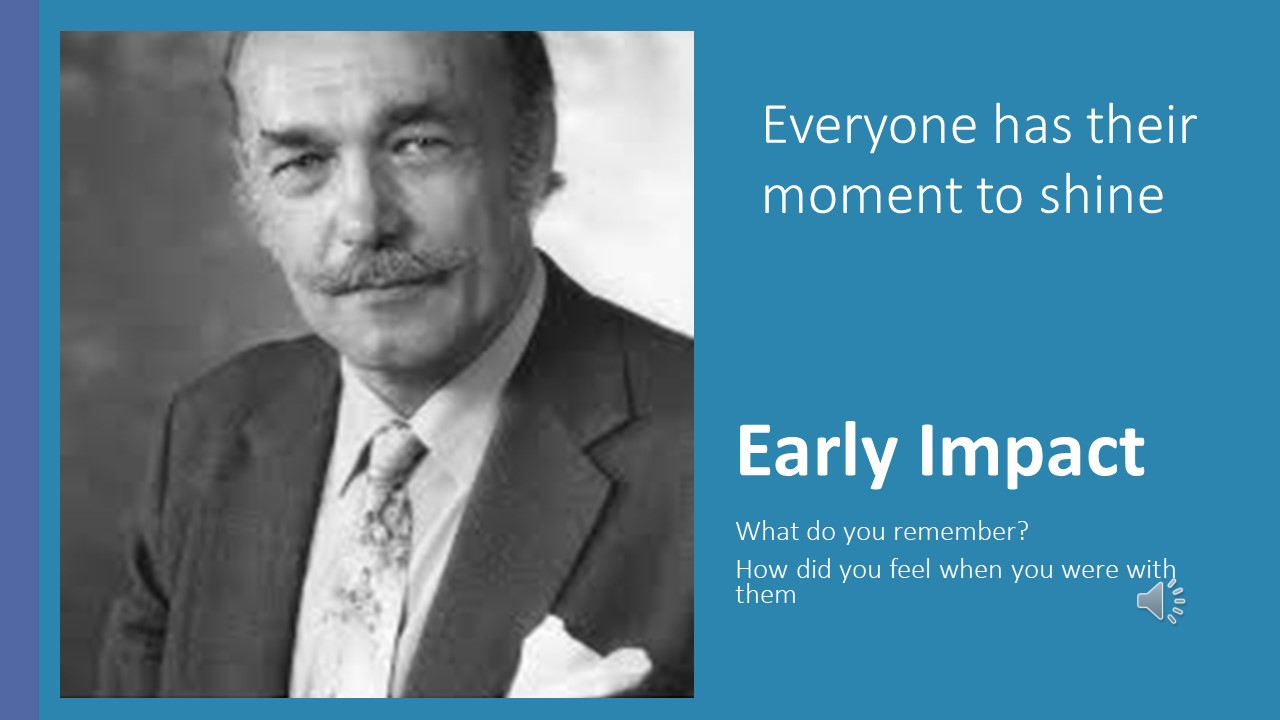
1. Reflecting on Influential Figures: Our past is peppered with influential figures whose impact has shaped our identity. For me, this figure was my father, a quiet and introverted man whose demeanor contrasted starkly with my talkative Irish mother. Amidst social gatherings, my mother’s ceaseless chatter would cease abruptly upon her departure to the kitchen, plunging the room into an uneasy silence. Yet, my father held a different power—he was a captivating storyteller. His ability to enrapture audiences taught me a valuable lesson: everyone possesses a moment to shine, given the right context. His storytelling prowess perhaps subconsciously guided me toward the path of teaching, emphasizing the importance of finding one’s platform to captivate and engage. Everyone has their moment to shine.

2. Influence of Others in Shaping Our Identity: Our identity isn’t solely crafted by our individual experiences; it’s also sculpted through relationships with others. In my early teaching career, I encountered Esat Hoca, a staunch disciplinarian from the Naval Academy. His belief that students’ liking for a teacher was inconsequential left me skeptical. I shared my belief that we don’t learn from those we don’t like, drawing from my own experiences disliking teachers during my adolescent years. However, Esat’s commitment to his students’ learning, despite his indifference to being liked, influenced me. His unwavering dedication created an atmosphere where students respected his commitment to their progress. This taught me a crucial lesson: the emotional environment in a classroom profoundly impacts learning outcomes.

Reflecting on Influential Relationships

Consider your own life’s journey and ponder upon relationships that have indelibly imprinted your sense of identity. Who were these influential figures, and how did their presence shape the person you are today?

Posted in Teacher Development | Tagged , , , , , , , | Leave a comment

The Art of Teaching: Embodied Approaches for Professional Development (Part 1)

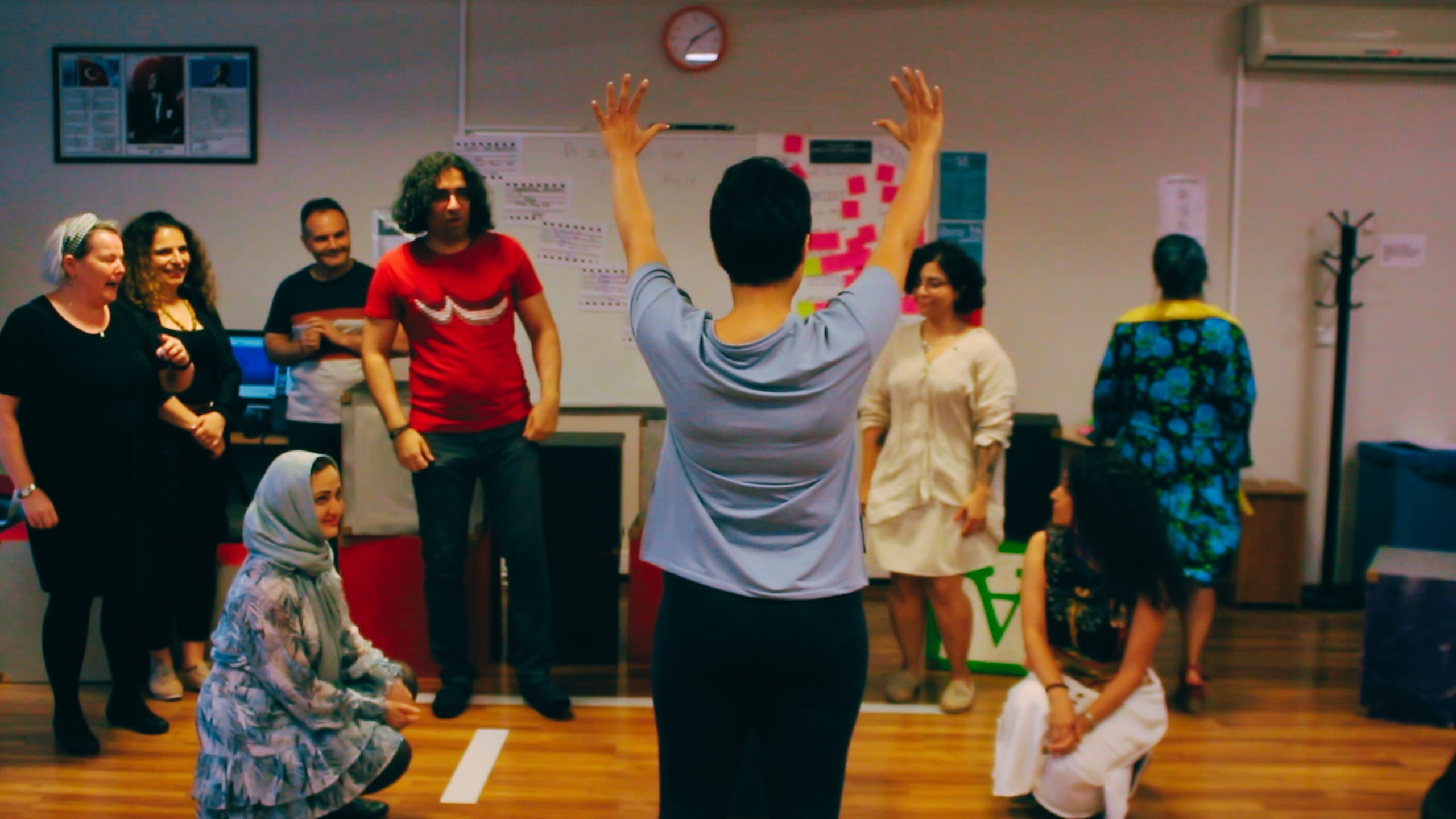
What do I mean by “embodied approaches”? For me, it signifies the essence of a teacher’s presence – not just mentally or socially, but also physically. It encapsulates the convergence of the teacher’s physical and mental presence, the learners’ involvement, and the dynamic interplay between them. This ’embodied presence’ is the fulcrum upon which meaningful learning pivots. When engagement is full, genuine learning flourishes. Thus, being ’embodied’ entails a holistic immersion – mind, body, and spirit – into the teaching and learning process.

Why Teaching is an Art

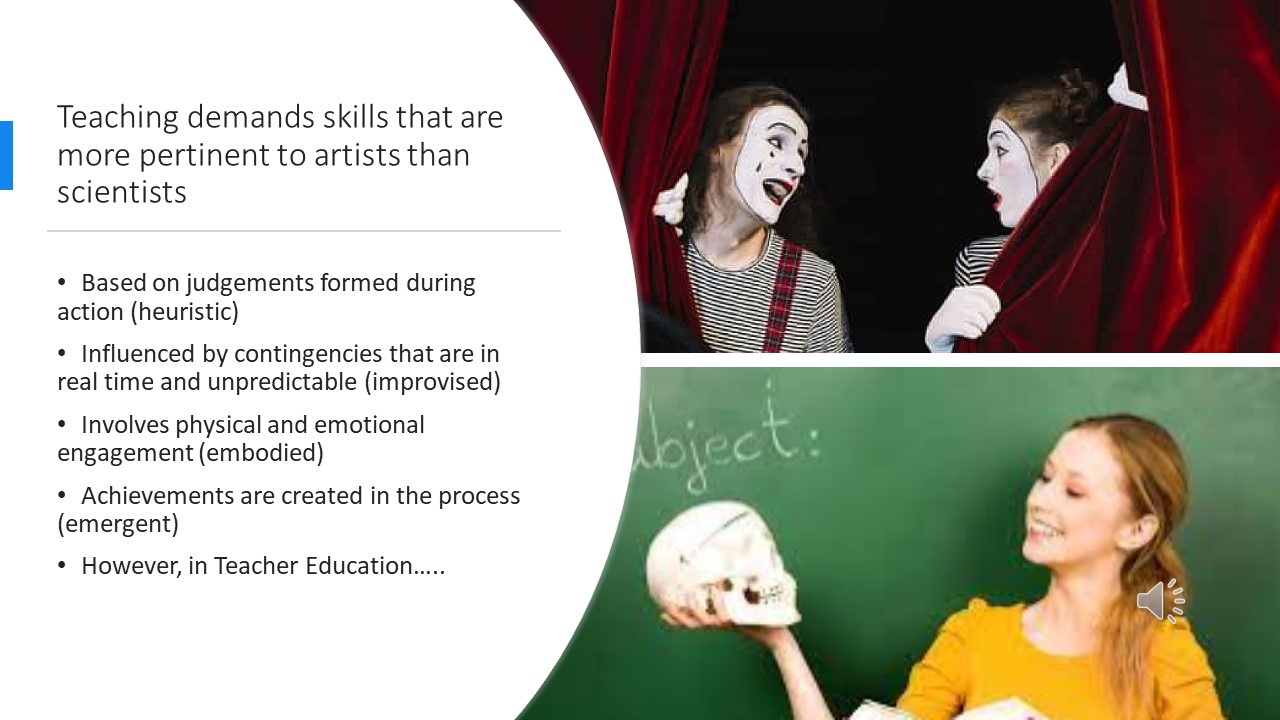
I assert that teaching requires skills akin to those of an artist rather than a scientist. Here are my four primary reasons:

  1. Heuristic Nature: Teaching involves making judgments in real-time, during the act of teaching itself.
  2. Improvisation: It is heavily influenced by unpredictable contingencies, demanding spontaneous responses and adaptations.
  3. Embodied Engagement: Teaching necessitates both physical and emotional involvement.
  4. Emergent Achievements: Learning outcomes are not predefined but emerge through the teaching process.

However, herein lies a paradox. Traditional teacher education predominantly focuses on the procedural aspects of teaching. It emphasizes how to plan lessons, delineate aims, and implies a standardized methodology to be adhered to.

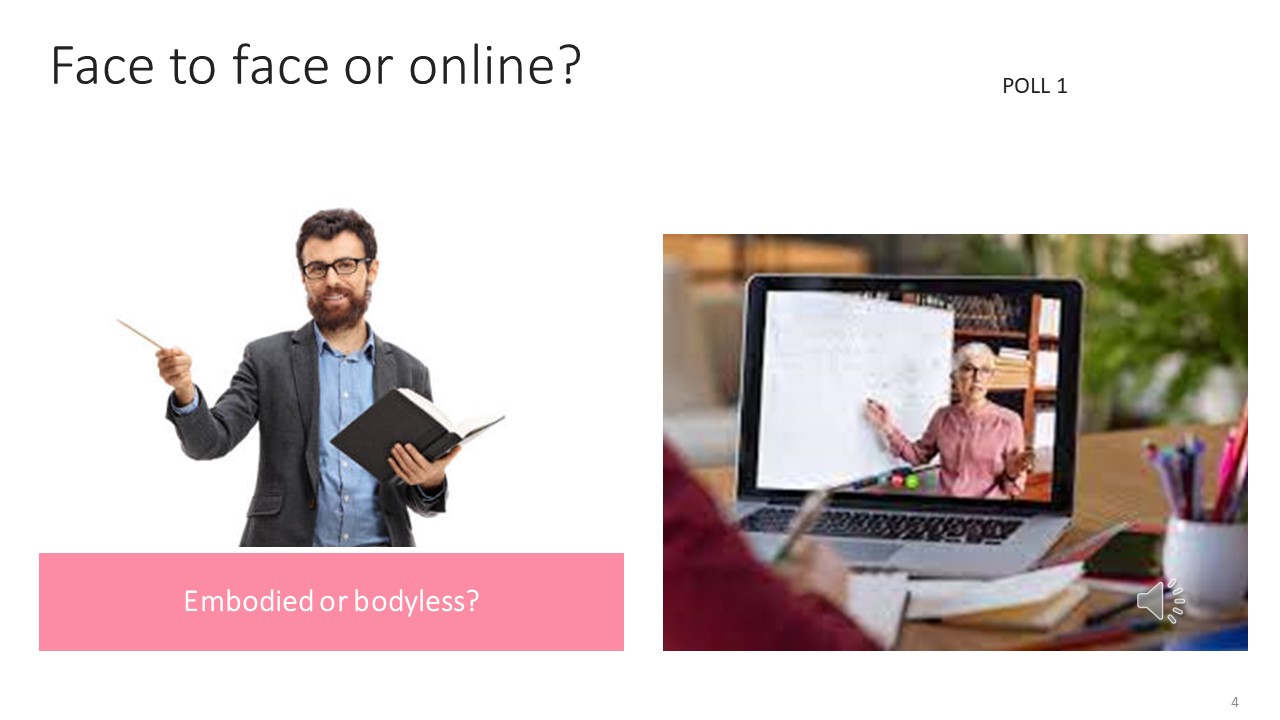
During the pandemic, the educational landscape underwent a seismic shift as teaching transitioned entirely online, rendering it, in a sense, “bodyless.” Both teachers and learners found themselves devoid of physical presence, compelling us to redefine the concept of ‘presence’ as it is mediated through technology.

These pivotal moments ignited reflections on the essence of teaching and learning. Are teachers merely conveyors of knowledge, or is their role more intricately woven into aiding learners’ comprehension and growth? Is learning merely about acquiring new information, or does it encompass practical application and behavioral transformation? The answers to these fundamental queries fundamentally shape the type of teacher one aspires to become.

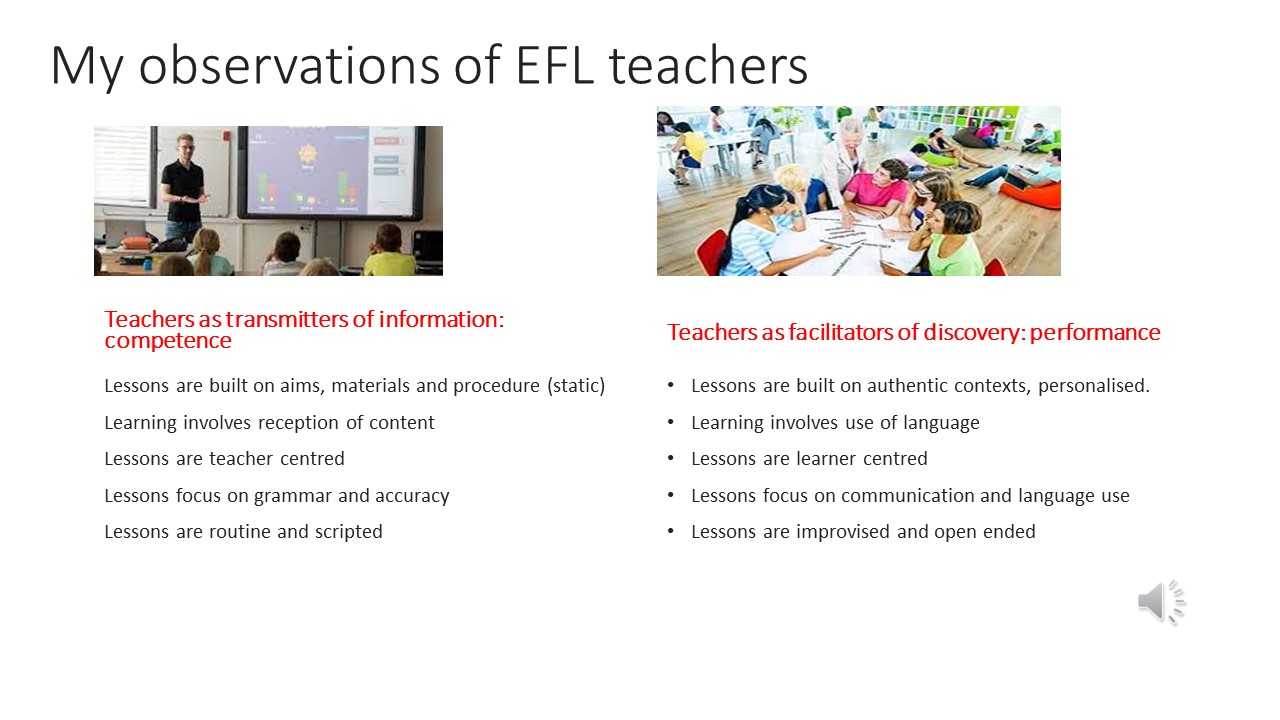
From my observations of teachers, I’ve noticed a spectrum. At one end, we have those who perceive their role as purveyors of information, emphasizing a ‘competence model’ in their teaching approach. These teachers center their lessons around predefined aims, materials, and procedures, resulting in static, teacher-centered, and content-driven classes.

Conversely, at the other end, there exist educators who view themselves as facilitators of learning, embracing what I term the ‘performance model.’ They craft lessons within authentic contexts, prioritize personalization, and foster dynamic, learner-centered, and communication-focused environments.

In essence, teachers encompass three vital elements: their ‘head,’ housing theories and knowledge; their ‘body,’ which learns through the practical experience of teaching; and their ‘heart,’ the unique personality that defines their approach and connection with students. So what kind of teacher are you? How can you develop to become the teacher you want to be?

Stay tuned for the second part, where we will explore how we can reflect on our sense of identity and develop skills to transform into the teacher we aspire to be.

Posted in Teacher Development | Tagged , , , , , , , | Leave a comment

Understanding Social and Emotional Learning (SEL)

Social and Emotional Learning (SEL), as outlined by CASEL (Collaborative for Social and Emotional Learning), encompasses five core competencies that revolve around self-identity and interpersonal connections. These competencies contribute significantly to fostering a conducive environment and nurturing relationships within a classroom setting.

1. Self-awareness

Self-awareness involves understanding our emotions, thoughts, and identities in various situations. A robust self-identity acts as a shield against adverse experiences and fosters improved academic, social, and emotional outcomes. Encouraging introspection allows individuals to navigate their emotions effectively and consider personal growth opportunities.

Activity: Blind Trust Participants pair up, with one person blindfolded (the “blind”) and the other as the guide. The blindfolded individual relies on their other senses while the guide assists, fostering trust and enhancing sensory perception. Reflections often focus on coping mechanisms during difficulties, resisting temptation, and managing intrusive thoughts, providing significant learning opportunities through self-disclosure.

Blind Trust activity

2. Self-management

Beyond recognizing emotions, self-management involves effectively handling them. It revolves around converting self-awareness into actions that benefit oneself and others. Encouraging young minds to devise plans, work towards goals, and exercise control during challenging moments fosters a sense of agency and purpose.

Activity: Wall Crash In this activity, participants run towards a wall, trusting that their colleagues will shout “stop” before any collision occurs. The body language and purposefulness of each participant’s run indicate their perceived control of the situation, leading to reflections on risk-taking tendencies and strategies for managing risks.

Wall Crash activity

Activity: Positive Affirmations Participants engage in repeating positive statements aloud, reinforcing self-belief and positivity, countering negative self-talk often prevalent in professional settings.

3. Social awareness

Social awareness revolves around empathy and understanding others’ perspectives. It cultivates compassion and acceptance, essential for fostering inclusive and respectful environments. Learning from diverse experiences enhances a sense of belonging and promotes overall well-being.

Activities: ‘3 People Walking’ and ‘Find Your Sound’ In ‘3 People Walking,’ participants move as a group, with the leader calling out one person to walk until another change is signaled. ‘Find Your Sound’ involves partners creating sounds and trying to locate each other in a dispersed circle, promoting cohesion and awareness of others.

4. Relationship management

Relationship skills encompass various interactions leading to meaningful connections. Effective communication, collaboration, and problem-solving contribute to positive relationships. Encouraging these skills prepares individuals for interactions within various contexts, from classrooms to professional environments.

Activity: Zombie In this team-oriented activity, participants prevent a designated ‘zombie’ from sitting by occupying an empty chair, stimulating discussions on effective communication, leadership, and problem-solving within groups.

5. Responsible decision-making

Responsible decision-making involves thoughtful consideration of consequences and impacts on others. It encourages critical thinking, curiosity, and open-mindedness, essential for informed decision-making.

Activity: The Knot Participants stand in a circle, joining hands to create a knot without releasing any hands. The aim is to untie the knot cooperatively, fostering discussions on perseverance, cooperation, and effective teamwork.

Fostering a Supportive Learning Environment

Creating a safe, inclusive, and welcoming learning environment is pivotal for effective education. Teachers play a vital role in cultivating empathy and support among learners, fostering positive social relations through participatory activities. Embracing a shift from social control to engagement amplifies holistic education, acknowledging learners’ emotional, social, and mental needs alongside academic content.

In essence, cultivating stronger relationships in the classroom empowers teachers to excel in their roles while enhancing students’ learning experiences.

Posted in Teacher Development | Tagged , , , , , , , , | Leave a comment

Embracing Social and Emotional Learning: A Paradigm Shift in Education

In the ever-evolving landscape of education, a paradigm shift is called for. I believe there needs to be a fundamental re-evaluation of priorities, urging a departure from the prevalent focus on content and curriculum. Instead, the spotlight needs to prioritise fostering positive learning environments through the adoption of Social and Emotional Learning (SEL).

Traditionally, most educational institutions have emphasized social control over social engagement. Classrooms demonstrate this sentiment with rows of students, minimal peer  interaction, and walls adorned with rules and regulations telling learners what to do and how to behave. But to cultivate an environment that fosters genuine learning, we must adopt a contrary approach. Picture learners in groups, maximum eye contact, abundant interaction, and walls adorned with their creative outputs – a paradigm shift towards an interactive, engaging, and positively charged learning space.

The foundational principles shaping this educational philosophy:

  1. Engagement is Key: Engagement can not be switched on and off; it requires building over time. Engagement is a spectrum ranging from passive presence at one end to complete absorption in learning at the other. True engagement spans the physical, mental, emotional, and social needs of learners. As educators, our task is to nurture holistic engagement.
  2. Learning as a Social Dynamic: Learning isn’t a solitary pursuit but a collaborative endeavor fueled by interaction, idea-sharing, and meaning negotiation. Creating a safe, open learning environment is pivotal to this process – one where teacher-student and peer interactions drive learning forward.
  3. Teachers as Facilitators: Traditional education often portrays teachers as knowledge transmitters, burdening them with the sole responsibility of content delivery. However, true learning lies in the hands of the learners. Teachers assume the role of facilitators, crafting an environment where interaction and positive group dynamics reign supreme.

These learning-centered pedagogies are not groundbreaking. Indeed most teachers would readily accept the principles outlined above. Yet, their implementation in the classroom is fraught with challenges in the reality of teaching today. The teaching profession grapples with burnout, heavy workloads, limited encouragement for creativity or professional development, and a concerning attrition rate – with a staggering 50% leaving teaching within the initial 5 years.

The imperative question emerges: How can we navigate these challenges to embrace a pedagogy centered on Social and Emotional Learning?

In the next part of this blog series, I explore practical approaches to foster holistic engagement in the learning journey. Look out for the next post.

Face to face weekend masterclass in the summer at ITI
Posted in Uncategorized | Tagged , , , , , , , , | 2 Comments

ITI Webinar: Empowering Teachers through Social and Emotional Learning

INTERNATIONAL TRAINING INSTITUTE is inviting you to a scheduled Zoom meeting.

Topic: Webinar Social and Emotional Learning (SEL) for teachers

Time: Dec 13, 2023 07:00 PM Istanbul

https://us02web.zoom.us/j/84357893203?pwd=eVZBUkN3ZDdkc0JJQXlYSFdOTVdmUT09

Meeting ID: 843 5789 3203

Passcode: 356485

Testimonial from a participant in the face to face workshop

Join us for a webinar aimed at transforming teaching experiences through Social and Emotional Learning (SEL). Discover the power of SEL and explore its impact not only on students but also on educators, schools, and the broader community.

What exactly is Social and Emotional Learning (SEL), and how can it revolutionize your classroom, your life, your school, and your community? In this webinar, we explore SEL, offering practical strategies and activities designed to be seamlessly integrated into your teaching practice. From cultivating self-awareness through sensory skills like active listening, to fostering empathy and collaboration through dynamic questioning and effective feedback techniques, this talk will equip you with invaluable tools.

Unlock the potential for a more connected, empathetic, and enriching teaching experience.

All attendees will receive an ITI certificate.

Presenter Biography

Dr. Tom Godfrey is the CEO of the International Training Institute (ITI), a renowned teacher training center situated in Istanbul. With global experience in teaching and teacher training across multiple countries, Tom brings a profound understanding of educational methodologies to the forefront.

Tom’s academic journey includes an MA in Teaching English as a Foreign Language (TEFL) from Reading University and an Ed.D from Exeter University, UK. His expertise extends to the realm of Social and Emotional Learning (SEL) and holistic learning approaches, evident in his published works encompassing Teacher Development. Tom’s commitment to cultivating holistic learning environments has positioned him as an authority in integrating SEL principles into educational settings.

Beyond academia, Tom’s passion for theatre has been a driving force throughout his career. As an EFL teacher and teacher trainer worldwide, he has blended his theatrical interests with education. This fusion was further solidified by his completion of an MA in Applied Theatre at Exeter University, focusing on how Applied Theatre can impact Teacher Education.

Tom’s commitment to community welfare and education is evident through his founding of the Speech Bubbles Theatre Group. This initiative not only showcases his theatrical acumen but also serves as a platform to generate funds in support of education and children’s causes.

His multifaceted endeavors also include the creation of a documentary film (The CELTA Experience) chronicling the experiences of training to become an English Language Teaching (ELT) teacher.

Posted in Teacher Development | Tagged , , , , , , , | Leave a comment

Join Our Exclusive Zoom CELTA Webinar: “What’s it like to do the CELTA?”

Date: Thursday, November 30th, 2023

Time: 19:00 (GMT+3)

Where: Zoom – https://us02web.zoom.us/j/84708257666?pwd=ekt2UDRvU1FPZzVCcGFYSWlncUJpQT09

What is it really like to embark on the transformative journey of a CELTA course? Find out by listening to the experiences of both participants and tutors at ITI Istanbul in our exclusive Zoom Webinar!

Webinar Highlights:

Hear from a diverse panel of participants and tutors at the heart of CELTA courses at ITI Istanbul.

Get firsthand accounts of the challenges, breakthroughs, and the day-to-day reality.

Engage in live Q&A sessions, where you can ask your burning questions about CELTA and teaching English.

Get an exclusive preview of our documentary, “The CELTA EXPERIENCE.”

Where: YouTube Premiere: https://youtu.be/yCxhoFCEPig

Why Attend?

Whether you’re considering CELTA, have a passion for teaching, or just curious about the journey of English language educators, this webinar is for you.

Secure Your Spot: Register Now! https://us02web.zoom.us/j/84708257666?pwd=ekt2UDRvU1FPZzVCcGFYSWlncUJpQT09

Topic: The CELTA EXPERIENCE

Time: Nov 30, 2023 07:00 PM Istanbul

Meeting ID: 847 0825 7666

Passcode: 334701

Connect with us on social media for updates.

Don’t miss this unique opportunity to gain insights, connect with like-minded individuals, and prepare for the upcoming documentary premiere!

See you there!

Posted in Documentary film | Tagged , , , , , , | Leave a comment