The first and only documentary depicting the CELTA experience
“The CELTA EXPERIENCE” is a groundbreaking documentary groundbreaking documentary that provides an exclusive and enlightening insight into the world of ELT training. Each year, thousands of individuals worldwide leave their families and cultures to pursue their dreams of becoming English Language Teachers. This documentary captures the essence of their journey, echoing the thrilling feelings of excitement and challenge.
Set in a training center in Istanbul, “The CELTA EXPERIENCE” follows three enthusiastic participants. We witness their mental struggles and their emotional rollercoaster of fears and joys. The film offers an authentic ‘bottom-up’ portrayal of the challenges faced by ELT teachers in the making.
Here’s why we made “The CELTA EXPERIENCE”:
Inspiration for Aspiring Educators: “The CELTA EXPERIENCE” depicts the transformative journey of individuals who aspire to become English Language Teachers. Their dedication, challenges, and eventual success can inspire others to follow in their footsteps.
Professional Development: The documentary provides a participant perspective into the CELTA course, shedding light on its effectiveness in preparing teachers for the real-world challenges of English language education.
Informing a Wider Audience: We aim to reach as large an audience as possible to dispel the common notion that TEFL is merely a gap-year adventure. Instead, we want to portray TEFL training as a rigorous, demanding endeavor that develops essential life skills.
Conclusion:
“The CELTA EXPERIENCE” is not just a documentary; it is a life-changing event for many ELT teachers. The film presents an opportunity to dive deep into the world of English Language Teacher training, to empathize with the dreams, struggles, and successes of aspiring educators. “The CELTA EXPERIENCE” highlights the essential skills of effective teaching, but also important life skills relevant to personal and professional development. Our documentary aims to galvanize the support and cooperation of the ELT profession. By showcasing the challenges and triumphs of CELTA training, we hope to foster a sense of community and shared purpose among educators.
THE CELTA EXPERIENCE
Get ready for an exclusive journey into the heart of English Language Teaching as we unveil the first-ever documentary capturing the intense and transformative experience of a CELTA course.
In our exploration of Applied Theatre in Teacher Education, our workshops brought to the forefront a significant revelation: the multifaceted challenges that teachers face fall into three distinct categories – internal, external, and contextual oppressions. These oppressions, which encompass self-doubt, external pressures, and the dynamics of the educational context, call for a transformative approach in teacher education.
Internal Oppressions: Awareness of Self
In our workshops, participants candidly shared their internal oppressions, which ranged from self-doubt, imposter syndrome, and fluctuating moods to issues related to energy and personal empowerment. These personal revelations prompted us to delve deeper into the skills that participants found relevant in addressing these internal challenges.
Following the initial workshop, several participants noted a heightened self-awareness. They spoke of how the activities facilitated a more profound understanding of their bodies and emotions, enabling them to express themselves more effectively. Concepts like sensory awareness and emotional intelligence emerged as vital components. As one participant aptly described, the workshops taught them to “read emotions in the room,” an invaluable skill in the classroom. This emphasis on being in the present, clearing the mind, and heightening sensory perception aligns with Peter Brook’s idea of “the infinite possibilities of emptiness.”
It’s important to note that these embodied skills, despite their significance, are often overlooked in traditional teacher development programs. Research suggests that sensory and affective experiences play a decisive role in shaping a teacher’s behavior. The integration of embodied practices, therefore, becomes pivotal in fostering teachers who can truly act in the moment and navigate the complexities of the classroom.
External Oppressions: Awareness of Others
The external oppressions that teachers face often involve external pressures from various stakeholders, including administrators, parents, students, and colleagues. Recognizing and enhancing awareness of the needs and presence of others emerged as a vital skill among participants. They stressed the importance of interpersonal skills, including assertiveness, empathy, and the ability to seek assistance when needed.
Collaboration and interaction were valued, with one participant highlighting the need for teachers to possess “people skills” and “self-skills.” Learning how to say “no” when necessary, developing empathy for learners, and being able to ask for help all emerged as crucial competencies in dealing with external oppressions.
Contextual and Systemic Oppressions: Awareness of Context
The largest category of oppressions that emerged was contextual and systemic challenges. These encompassed issues such as low pay, large and mixed-level classes, inappropriate methodologies, rigorous curriculums, and communication barriers. Participants recognized the importance of situational awareness, acknowledging that teachers must constantly be attuned to their surroundings.
Participants highlighted how the activities helped them understand the necessity of maintaining a work-life balance, effective time management, and diplomatic negotiation with institutions. These examples demonstrate the development of “embodied knowledge” – the practical wisdom that comes from direct experience and engagement. This knowledge is not merely theoretical but is rooted in the teacher’s ability to navigate complex, real-world situations.
Implications for ELT Teacher Education
Our exploration of Applied Theatre in Teacher Education underscores the need for a paradigm shift. Traditionally, teacher education has focused on theoretical knowledge that is disembodied, conveyed through words and numbers. This propositional knowledge, although essential, often lacks practical value. It’s akin to knowing the grammar of a language without being able to speak it fluently.
In contrast, the performing arts, including theatre, emphasize the development of embodied skills through practice. These skills are crucial for “in the moment” decision-making, a quality highly sought after in effective teaching. As Schön describes, teachers need the ability to reflect in action, to make spontaneous, intuitive choices during instruction. This type of knowledge, sometimes referred to as “tacit knowing,” is challenging to articulate but is fundamental to effective teaching.
Traditional teacher education tends to focus on reflection on action, examining past teaching experiences. However, the embodied and performative skills we’ve discussed here are often overlooked. For instance, many teacher assessment criteria place limited emphasis on these skills.
In our workshops, we identified a wealth of developmental objectives related to performative skills and intuitive processes, in contrast to the limited number of criteria recognized in traditional teacher education. Drama games and theatre activities provide a unique opportunity to develop these skills, empowering teachers to engage with the “here and now” of the classroom environment and act spontaneously, making pedagogical decisions in the moment.
In summary, our exploration of Applied Theatre in Teacher Education calls for a re-evaluation of how we prepare educators. By adopting embodied approaches and prioritizing performative skills, we can better equip teachers to navigate the dynamic and complex landscape of the classroom. This shift from static competences to dynamic, embodied knowledge holds the potential to revolutionize teacher education and empower educators to be more effective, adaptable, and attuned to the ever-changing needs of their students.
In May 2022 a group of 12 teachers came together to participate in exploratory workshops to find out what benefits Applied Theatre techniques could bring to Teacher Education. The workshops employed a methodology designed to both enhance participants’ understanding of their situations and facilitate actions to address them. In essence, this methodology served as both the object of research and the means to probe reflection and gather data. The primary objectives of these workshops were fourfold:
Diagnostic: To offer participants an opportunity to engage with Applied Theatre (AT) methods and provide participant-led feedback on their applicability in teacher education.
Methodological: To assess the appropriateness and effectiveness of AT methodology in teacher education settings, ensuring it aligns with its claimed benefits.
Pedagogical: To encourage dialogue and reflection, enabling participants to articulate their learning experiences.
Transformational: To instigate action and change by equipping participants with facilitation skills they can apply in their own educational contexts.
The workshops were structured around two main components:
A. Theatre Games and Activities
We selected theatre games and activities based on specific criteria, including problem-solving activities that promote collaboration, rapport-building activities, exercises focusing on physical self-awareness and concentration, and trust-building activities. These activities were designed to foster personal growth, skills development, and enhance interpersonal relationships among participants. You can access film footage and demonstrations of these activities here.
B. Community Forums
The workshop structure was influenced by Augusto Boal’s Forum Theatre (FT), which has proven to be particularly suitable for teacher education (TE) settings. FT emphasizes active participation and draws on participants’ personal narratives and experiences. This approach aligns with the notion that sharing personal stories can be a potent catalyst for teacher development. Furthermore, FT encourages critical thinking and self-awareness, supporting a “bottom-up” approach to change—a concept well-supported in the literature on educational innovation and transformation (McCabe, 2002; Fullan, 1982, 1993, 2001).
The Forum Theatre was structured over three workshops, and you can view the process here:
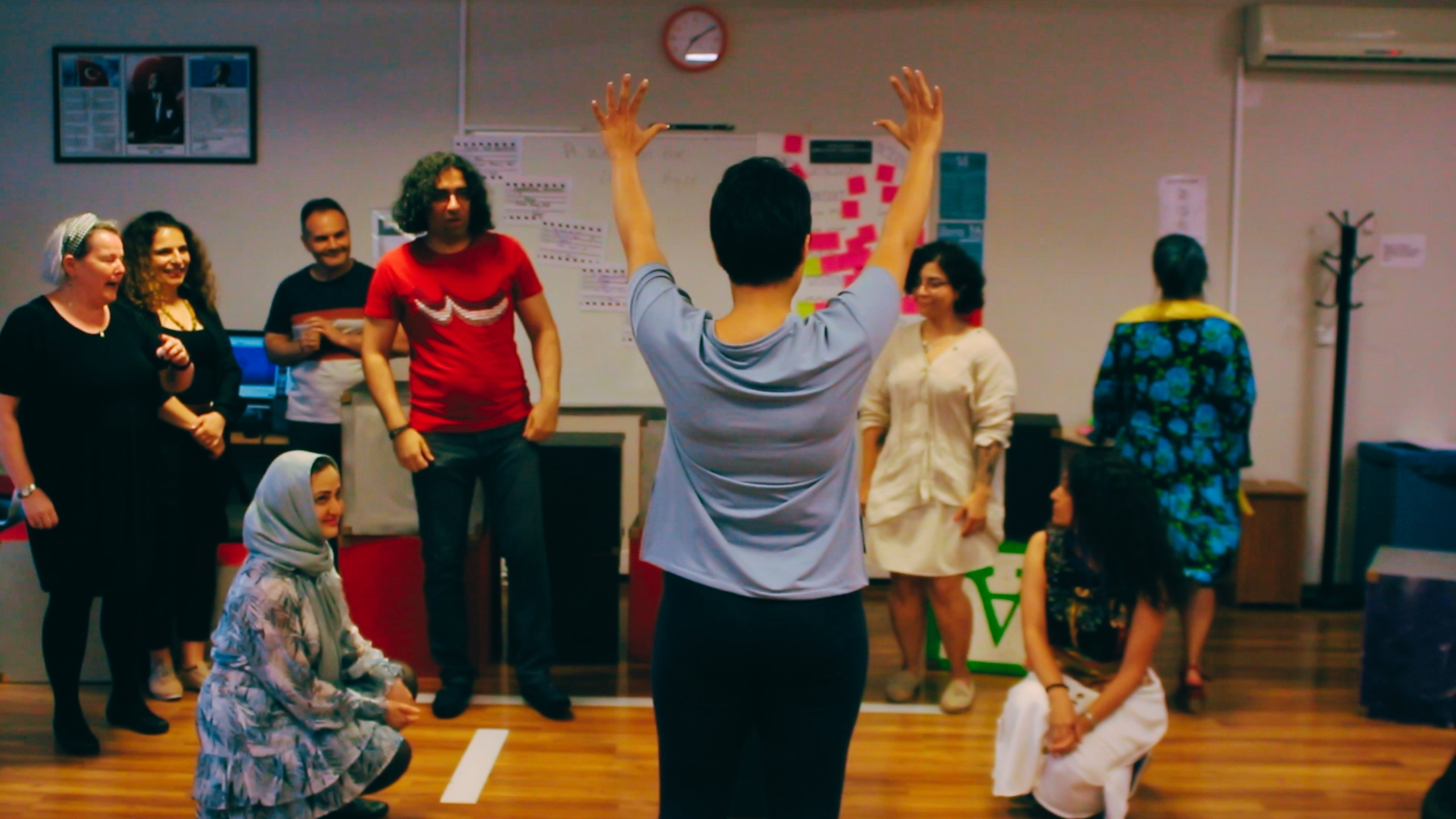
Workshop 1 – Tilling the Soil: Participants embarked on a journey of self-disclosure by taking their partners on an imaginary tour of their birthplace. We explored the rewards of teaching and shared stories of positive achievement, which served as the basis for reenacting these stories through image theatre. In the final hour, we repeated the cycle, but this time we brainstormed the challenges, obstacles, difficulties, and concerns faced by ELT teachers.
Workshop 2 – Sowing the Seeds: Participants focused on devising scenes for our Forum theatre scenario. We employed techniques like ‘Step forward if you have…’ to elicit personal narratives. Participants were encouraged to recall moments of stress and challenge, associating them with specific sounds. These stories were shared within their respective groups. By the end of this workshop, we had six scenes, each with a designated facilitator/director.
Workshop 3 – Blooming: This session concentrated on developing facilitation skills and rehearsing the forum scenes. Participants became facilitators/directors for their respective scenes, honing their skills further. The scenarios were later presented to an audience in the Community Forum, aiming to stimulate discussion, reflection, and debate among the participants, who were also invited to contribute solutions to the issues presented.
Approach
Data collection aimed to gain an in-depth understanding of participants’ perspectives on the research questions. We administered written feedback questionnaires and conducted focus group interviews after each workshop. The culmination of the workshops was a performance that depicted the essence of a teacher and explored the primary hopes, fears, and challenges faced by teachers in their personal and professional development. This performance sought to stimulate discussion, reflection, and debate among the audience, who were also invited to complete a reflection questionnaire.
These workshops represent a potential framework and methodology for participant-led, solution-oriented teacher professional development. Applied Theatre, with its participatory approach, offers a means of shared decision-making, fostering dialogue, reflection, and community cohesion. The adaptation of Forum Theatre, termed Community Forums, served as an effective tool for teacher professional development in a series of workshops conducted at our teacher training center in Istanbul.
I am convinced that in educational and training contexts there is vast scope in exploring how human experience and emotions accord with Teacher Education. Applied Theatre encourages participants to ‘feel’ and express emotions, not necessarily as ‘raw’ felt emotions but rather to re-enact experiences to stimulate learning. I determined that I need to run some diagnostic workshops with teachers to explore how teacher education can utilise Applied Theatre to stimulate reflection on one’s teacher identity and raise awareness of self and others while activating transformative learning.
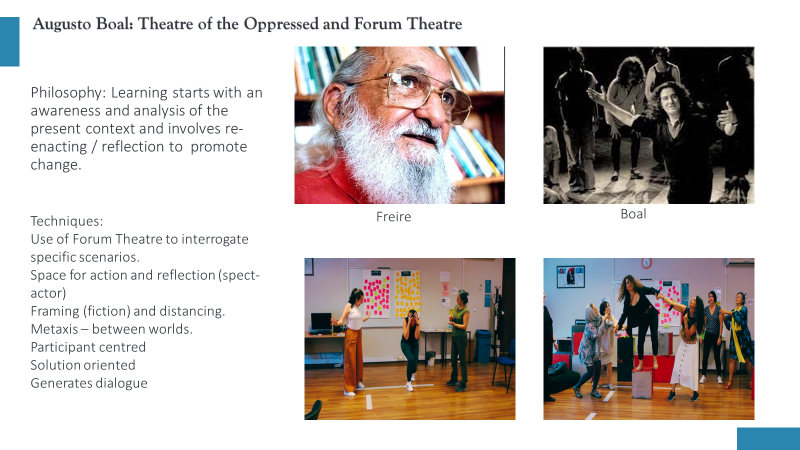
In my quest for a framework and methodology that fosters participant-led, solution-oriented teacher professional development, the work of Augusto Boal, the esteemed Brazilian dramatist, emerged as a promising resolution. At the core of Boal’s educational philosophy is the conviction that learning starts with an awareness and analysis of the present context and involves reflection and action (praxis) to promote change. Although Boal uses the medium of theatre to wield this change, the underlying sentiment mirrors my conception of teacher development.
A cornerstone of Boal’s philosophy is the concept of “forum theatre,” a practice where participants grapple with real-life challenges by intervening in scenes and proposing alternative courses of action. Boal was influenced by the pedagogue Paolo Freire who sought to liberate individuals from the constraints of ignorance, empowering them to become agents of change in their own lives. Freire believed in the importance of dialogue and critical thinking in the learning process. He viewed learners as active participants in the co-creation of knowledge (rather than passive recipients) and encouraged learners to question, analyse and reflect upon their reality. This is a philosophy that undoubtedly resonates with teacher educators.
These participatory arts grounded in Paolo Freire’s participatory education model, and Boal’s Forum Theatre, offer a means of expression that facilitates collaborative decision-making processes and fosters dialogue, self-reflection, and community introspection. Drawing inspiration from the principles and rationale of Forum Theatre, I have ventured into the utilization of participatory methodologies in teacher professional development through a series of workshops at our teacher training center in Istanbul. These workshops centre around what I term “Community Forums,” an adaptation of Forum Theatre pioneered by Augusto Boal in 1973, and they aim to unearth authentic teacher experiences thereby stimulating community discourse and problem-solving. Community Forums serve as a means to elucidate participants’ comprehension of their circumstances and offer avenues for devising solutions—effectively providing a framework for both addressing the issues teachers encounter and engaging in reflective dialogue.
In a celebrated TED talk, Sir Ken Robinson urged us to view teaching as an art, emphasizing the role of teachers in facilitating learning rather than mere knowledge transmission. This perspective raises a crucial question: What makes a great teacher? As a teacher trainer, I’ve noticed that effective lessons often lack a certain ‘spark.’ This elusive element appears to reside in the embodied behaviors and interactions between teachers and learners.
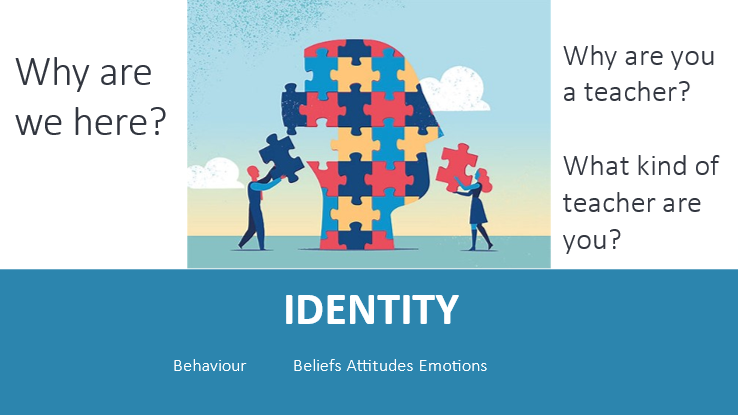
Teacher identity has evolved beyond technical competence to encompass social personae, reflecting roles, relationships, and community affiliations. Identity is a dynamic interplay between personal agency and external influences. To truly enhance teaching practice, we must incorporate identity reflection into teacher development.
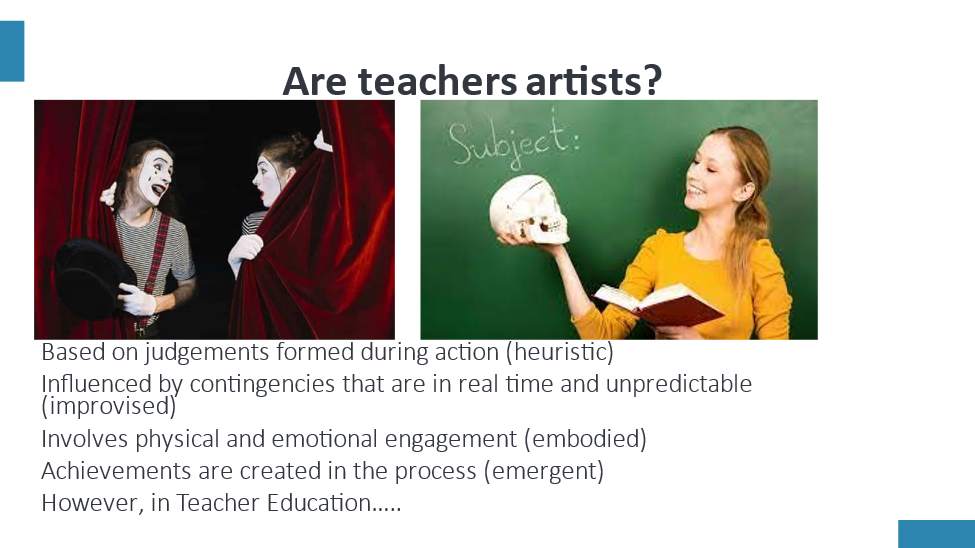
Applied Theatre, notably Augusto Boal’s work, offers valuable insights into teaching as a performative art. Teaching is heuristic, improvised, embodied, and emergent, making it akin to a performance. Wahl’s observation that teachers should engage students emotionally highlights the importance of this aspect.
The idea that learning is rooted in action, as advocated by Rousseau and Locke, echoes in Progressive Education champions like John Dewey and Vygotsky, who emphasized embodied social interaction and play in learning.
While drama in education has a rich history, contemporary research on performative approaches in Teacher Education is limited. Even’s teacher training program, for instance, emphasizes dynamic, co-constructed learning over static knowledge delivery. Smith’s research on teaching English to migrants underscores the teacher’s role in creating a meaningful learning environment. Lutzker highlights the importance of a teacher’s physical attitude in holistic development.
Applied Theatre, specifically ‘Process Drama,’ immerses participants in fictionalized, participant-led experiences for educational purposes. This approach creates a ‘no penalty’ zone, where learners can explore solutions in a dramatized setting. Vygotsky’s theories on learning through experience and emotion are pertinent here.
In educational contexts, there’s immense potential to explore how human experiences and emotions intersect with Teacher Education. Applied Theatre encourages participants to ‘feel’ and express emotions, fostering reflection and awareness. To explore this further, I conducted diagnostic workshops with teachers, using Applied Theatre to stimulate self-reflection on teacher identity and increase awareness of self and others while promoting transformative learning. What happened? I will tell you next week.
I’m thrilled to share some extraordinary news: our free online Cambridge TKT (Teaching Knowledge Test) preparation course has achieved astounding success!
The response on day one was unprecedented, with a staggering 800 registrations flooding in. It’s a testament to the growing demand for accessible, high-quality teacher training resources. We’re honored to lead this movement.
Our mission at ITI has always been to empower educators worldwide. The TKT is a globally recognized qualification that enhances teaching skills and opens doors for educators. Our free TKT prep course was designed to make this opportunity accessible to everyone, irrespective of financial constraints.
However, with such overwhelming success comes a few challenges. Due to the high demand, our servers are under strain. To ensure a seamless learning experience, we’re considering temporarily closing new registrations. Rest assured, this will be a brief pause, and we’re actively working on enhancing server capacity.
In the coming weeks, we plan to reopen the course, albeit with a limited number of participants, to ensure accessibility for all.
I want to thank everyone who has shown interest in our free TKT prep course. Your dedication to professional development is inspiring.
At ITI, we offer a range of other teacher development courses as well. We’re committed to making quality training accessible to all educators: http://www.iti-istanbul.com
Stay tuned for more updates as we redefine teacher education together.
Why do I feel that I am not as effective as I could be, I am getting close but ultimately missing the target as a teacher educator?
Do you ever find yourself wondering if you could be a more effective teacher educator? I recently attended several conferences and training workshops, and something struck me as paradoxical. Many ELT trainers and educators, who champion personalized, learner-centered lessons focusing on communication and language use, often deliver their training sessions in a tutor-centered, content-focused manner. It’s almost as if they’re transmitting knowledge rather than fostering participation and learning. As educators, we must lead by example, showing how to encourage participatory learning, or else teachers may merely pay lip service to the idea of ‘facilitating learning’ while remaining entrenched in the traditional role of a knowledge transmitter.
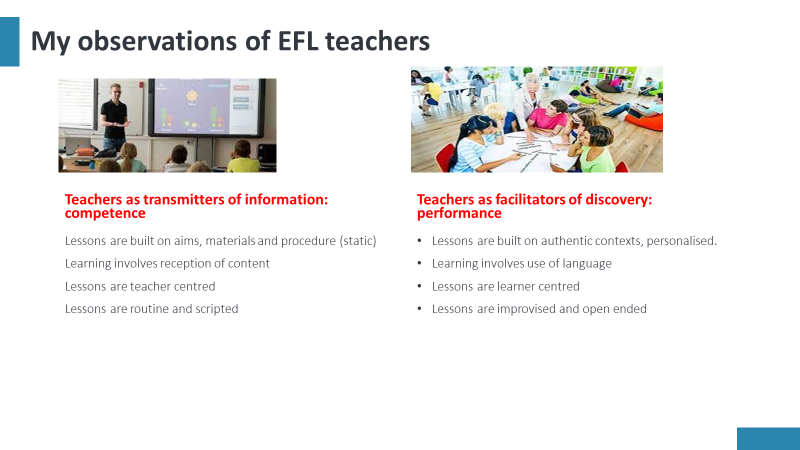
With over four decades of experience as a teacher trainer, I’ve had the privilege of observing countless lessons. What I’ve noticed is that most lessons adhere to what I term the ‘competence’ model of teaching. They are meticulously planned with explicit aims and objectives, with the primary emphasis on delivering and practicing content. Yet, rarely do I come across lessons rooted in what I call the ‘performance’ model of teaching, where the lesson is learner-centered, open-ended, and built upon learner-generated participation and content. Admittedly, the ‘performance’ model is a high-risk approach, demanding strong facilitation skills. Most teachers, in my experience, tend to avoid such risks, often lacking the support needed to develop facilitation skills. My aim isn’t to argue which teaching model is superior; instead, I am drawn to the aspiration of training teachers to be effective facilitators, a goal I share personally. However, despite this aspiration, I too often find myself standing before rows of teachers in workshops, clicking through PowerPoint slides to transmit content. I’ve often wondered if other teacher educators face this same role conflict.
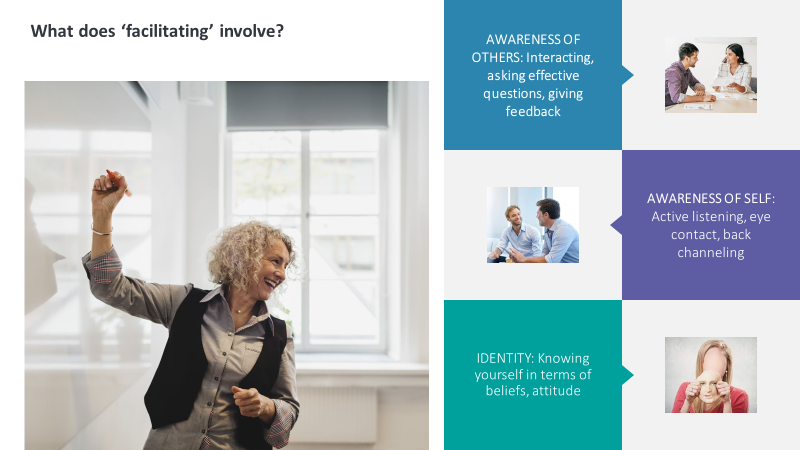
These reflections compelled me to explore questions like: What are facilitation skills, and how can they be cultivated? As Ruitenberg (2007) aptly notes, “Teaching is performative; it unfolds as embodied and enacted responses, in the moment.” In contrast, traditional academic knowledge is usually conveyed through words and numbers, making it disembodied. This propositional knowledge, while valuable, can only take a teacher so far, as true growth requires practice, as emphasized by Nelson (2013).
So, I embarked on a quest to identify the key performative skills that distinguish effective teachers. In Part 3 of this series, I’ll unveil what I’ve discovered
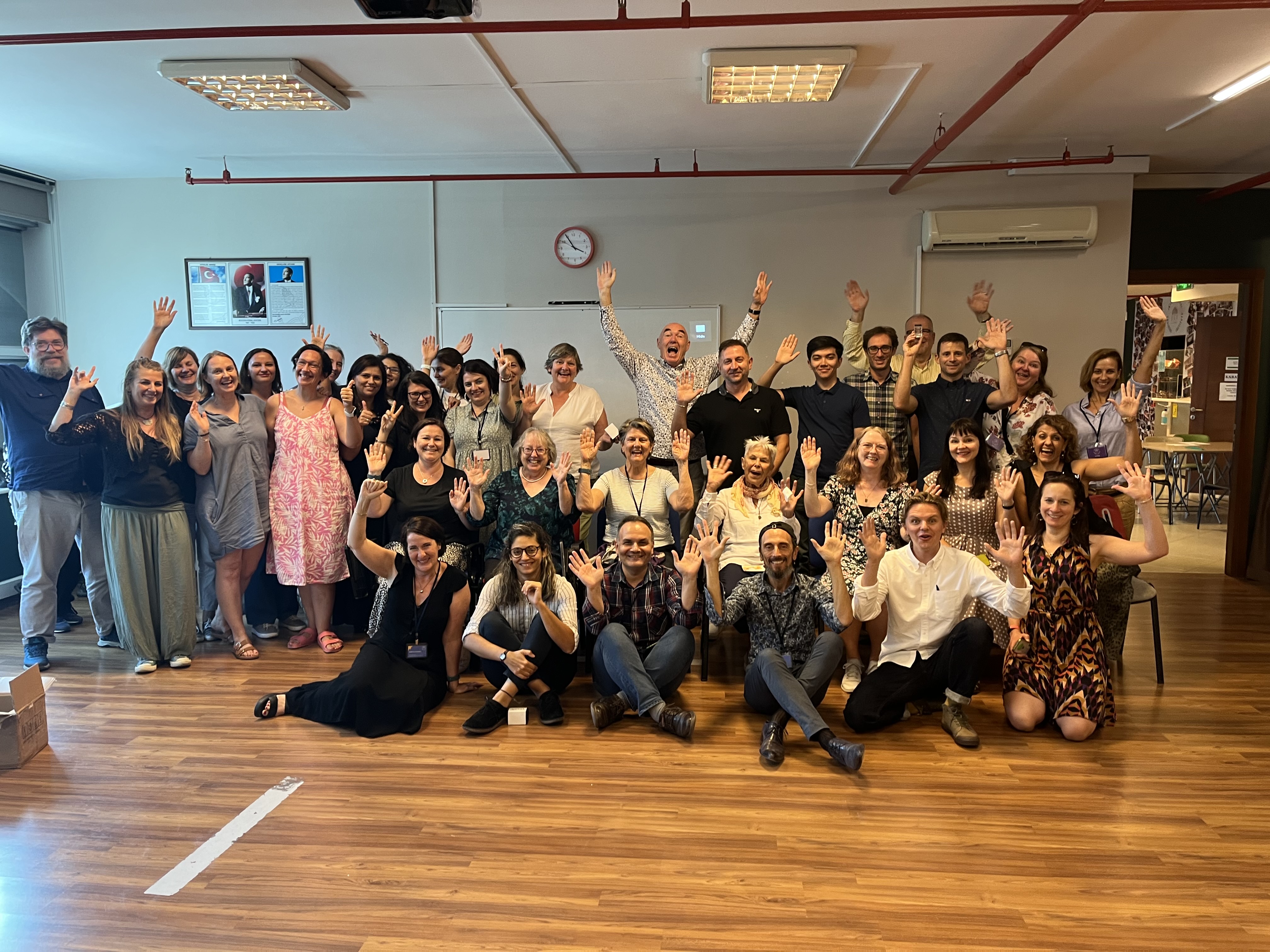
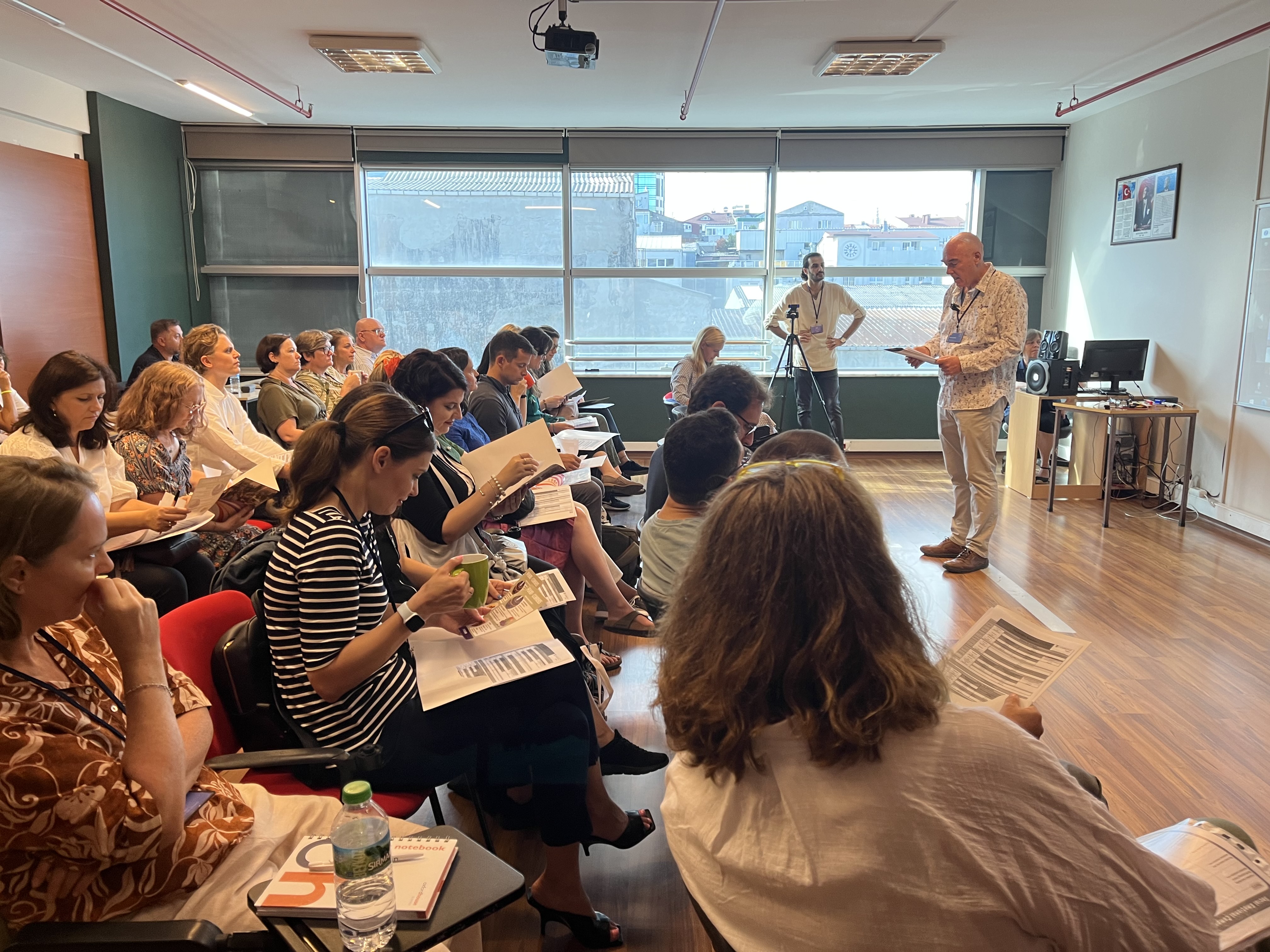
This 8th Cambridge Teaching Awards (CETA) Symposium was held at ITI Istanbul on September 9th and 10th 2023. The CETA Symposium brings together tutors, assessors and moderators from centres worldwide to provide an opportunity to share experiences of delivering the Cambridge English Teaching Awards, primarily DELTA, CELTA, and TKT.
The Symposium provides a forum to share ‘good practice’ among course providers, discuss current issues and problems encountered in course delivery and to learn about new innovations in the field. It also provides a platform to ‘voice’ ideas and consider future directions. This years’ Symposium was particularly important as we emerge from the pandemic and training courses are being adapted to both online and face to face formats and decisions taken now that will shape the future direction of the Cambridge Teaching Awards.
The CETA Symposium addressed a range of topics as well as the perennial issues such as feedback, observations, TP students, presentations also addressed the challenges of new technology such as AI and Chat GPT, social and emotional competences and modernising the DELTA. We also had a special preview of a documentary film depicting the experiences of the CELTA course from the paticipants’ perspective.
Why do I feel that I am not as effective as I could be, I am getting close but ultimately missing the target as a teacher educator?
As a teacher educator of many years, it is not uncommon to be invited to an institution to do a plenary presentation or workshop. A recent occasion was at a well-known chain school in Istanbul where I was invited to present on the topic of ‘Social and Emotional Learning’ to 200 primary and secondary school teachers. As I walked to the conference hall the Head of Department whispered in my ear that the teachers at this school must follow a strict curriculum and she hoped my session would not include many practical activities as it was unlikely, they would fit into the curriculum. Despite this disconcerting advice and reassured that it was far too late to make any changes anyway, I proceeded with my presentation which was built (almost entirely) on practical activities to enhance social and emotional learning in the classroom.
The workshop seemed to go well, the participants (at least the vocal majority) appeared engaged and participated in the activities with enthusiasm. After the workshop I had a familiar dialogue:
Me: Did you enjoy the workshop?
Participant: Oh yes thank you. It was a lot of fun.
Me: Would you use any of these activities in your class?
Participant: (looking quizzical). Err.. no I don’t think so.
Me: Why not?
The responses to this question can vary from: I don’t have enough time, the curriculum is too heavy, there is not enough time, I need to follow the book, I am not experienced enough, my students wouldn’t behave, that’s not my style of teaching, I need more training, it would be chaos, parents would complain and so on. I am left wondering why the teachers are not addressing these issues in their professional development meetings rather than recruiting an external teacher educator to do a workshop on a topic not of their choosing.
We sorely need a framework and methodology for participant-led, solution-oriented teacher professional development. One solution, I believe, lies in developing facilitation skills for teacher educators. Facilitation is a form of expression which enables shared ownership of decision-making processes and aims to generate dialogue, reflection and community cohesion. Adapting the principles of Applied Theatre, I have explored the development of facilitation skills in a series of workshops for teachers at our training centre in Istanbul.
How I develop facilitation skills and set up ‘Community Forums’ for teacher development will be explained in part 2. However here is a sneak preview video.
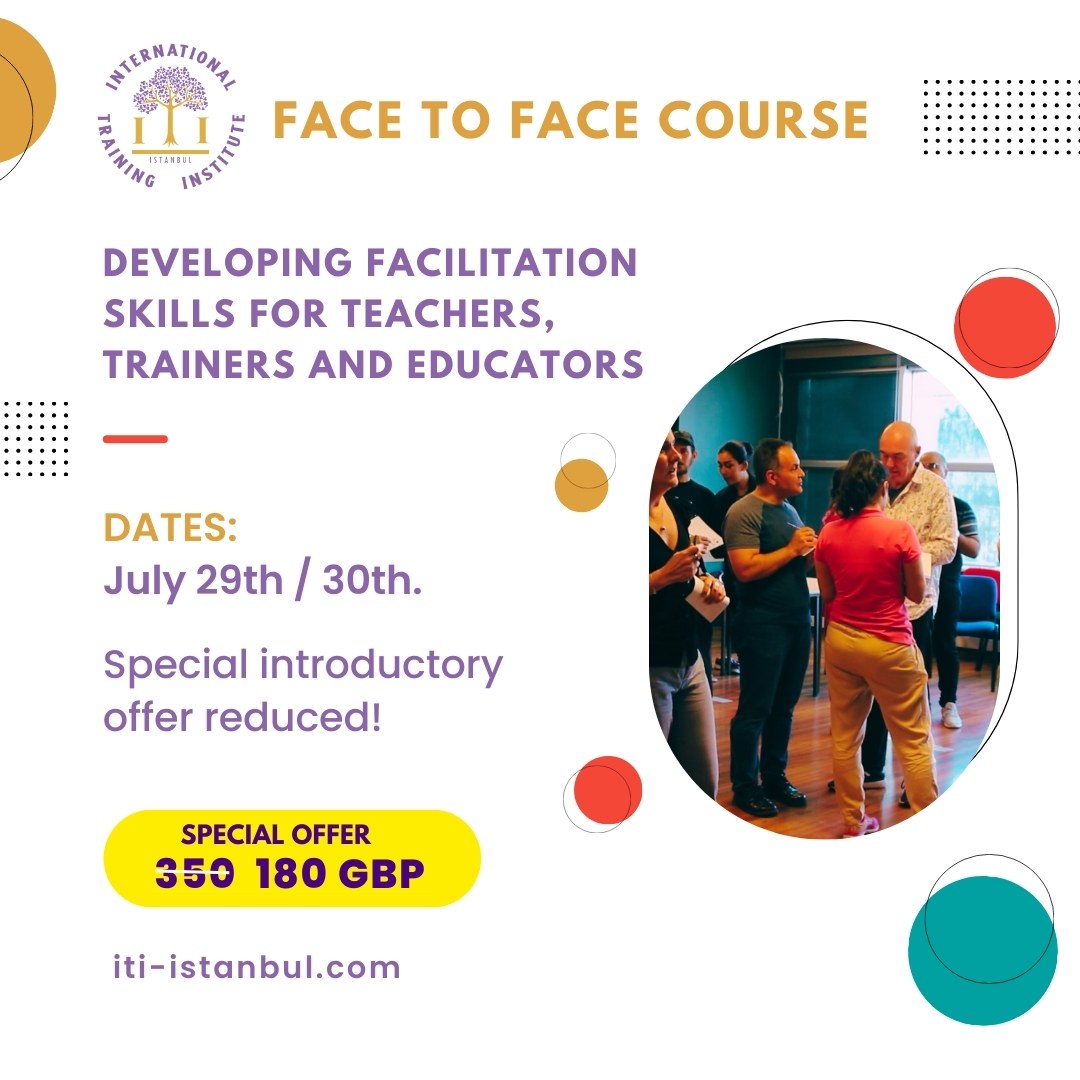
The weekend masterclass develops facilitation skills and is aimed at anyone who is involved in training, development and educating others.
Facilitation skills are vital in any event that involves creating a safe space for collaboration where people are interacting and discussing ideas to promote change.
The workshops explore the use of participatory approaches to professional development such as team building, gaining participants’ trust, maximizing engagement and fostering collaboration and personal disclosure.
The workshops are based on the premise that facilitation skills requires ‘presence’ and involves managing the physical, mental and emotional engagement of the participants.
The workshops also explore the use of community forums in personal and professional development. The workshops are adapted from techniques used in Forum Theatre devised by the Brazilian dramatist Augusto Boal.
Participants will learn the methodology and practice the techniques so after the programme they can apply these methods in their own contexts. This methodology provides an innovative framework for conducting professional development in institutions. It is participant centered and the issues are real concerns and challenges that participants face, while providing a safe space to frame the reflections and discussions. The methodology generates multi-voiced, multi-perspectival dialogue and is focused on finding solutions to real problems and inspiring action and change.


 Teaching Artistry