Join the Movement: Innovative Teaching Strategies for Educators

Are you an educator passionate about transforming traditional teaching into an engaging activity ? Connect with teachers and educators interested in exploring innovative, participatory teaching approaches. Join our free community now.
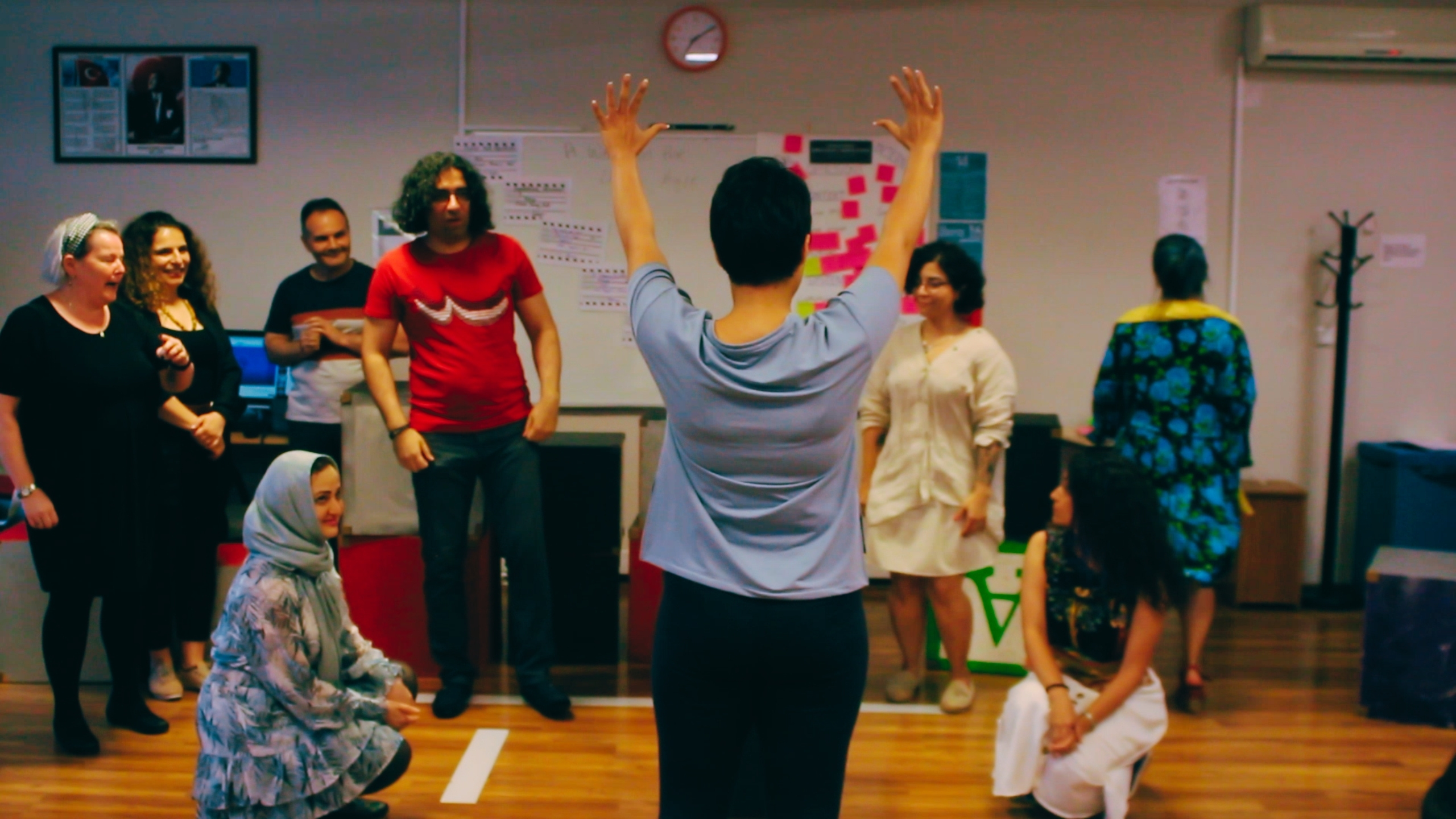
Time for a Rethink

Are we really preparing students for the world they live in—or just preparing them for the next test?

It’s time we rethought our entire approach to education. And that starts with Teacher Education.

For too long, teachers have been boxed in by rigid curricula, content-heavy syllabi, and top-down policies that prioritize control over curiosity, and standardization over real learning. But education doesn’t flourish in confinement—it thrives on connection, creativity, and flexibility.

The system needs a shift. A bold one.

Teaching isn’t about ticking off grammar points or racing through coursebooks. Yes, structure matters—but not at the cost of genuine engagement. When we loosen the reins, adapt to our learners’ needs, and make room for responsiveness and imagination, we create classrooms where students want to learn.

That’s the kind of classroom we should all be working toward.

We need to bring embodied, learner-centered approaches into our teaching. That means designing activities that resonate physically, emotionally, and intellectually with learners. It means valuing presence, participation, and personhood—treating our students not as empty vessels, but as complex individuals with voices worth hearing.

Engagement isn’t a side goal—it’s the foundation.
A classroom filled with active, curious, emotionally connected learners is one that manages itself. Discipline becomes less about control and more about mutual respect. Collaboration, critical thinking, and creativity flourish naturally in spaces that feel safe, open, and alive.

The curriculum is a guide—not a cage.
It gives direction, but not destination. As educators, we must be empowered to interpret, adapt, and even co-construct it with our students. When learners see their interests and identities reflected in the journey, they become collaborators—not passengers.

This is Whole Person Learning.
It’s time to move beyond just academic outcomes. We must nurture the full human being—balancing knowledge with motivation, skills with self-awareness, and tasks with trust. To do this, teachers need to develop not just subject expertise, but facilitation skills—the ability to build community, hold space, and lead with empathy.


To new teachers: This is your invitation.
Step into the classroom not just as an instructor—but as a change-maker. Be the teacher who doesn’t just follow a plan but creates space for transformation.

The future of education isn’t written yet. Let’s write it together. Are you an educator passionate about transforming traditional teaching into an engaging activity ? Connect with teachers and educators interested in exploring innovative, participatory teaching approaches. Join our free community now.
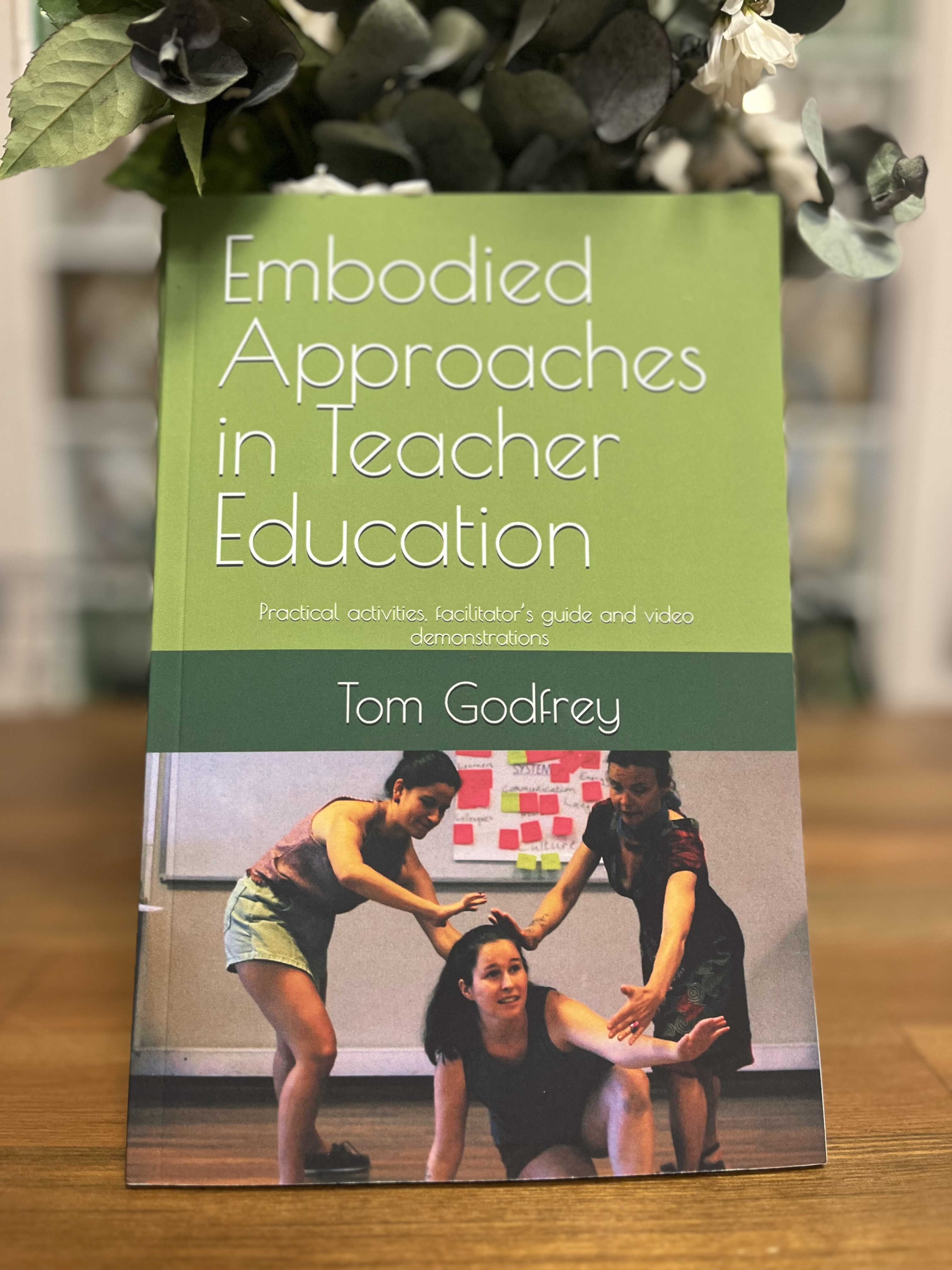
Posted in Teacher Development, Uncategorized | Tagged , , , , , , , , , | Leave a comment

Embodied Pedagogy: Unlocking Teacher Growth

Learning Through Action

One of the most powerful ways to explore teacher identity is through doing. In my workshops, teachers engage in participatory activities followed by reflection. This process often reveals unconscious patterns—helping educators better understand their behaviors, beliefs, and teaching styles.

Teaching as Transformation

What happens when you become an owl?

This imaginative activity, inspired by Alan Maley’s vocal work, is more than just playful—it invites teachers to reconnect with their creative instincts. Many adults feel awkward stepping into role-play, while children embrace it instinctively. This contrast reminds us how drama can unlock imagination and awaken the “inner child” we often forget in professional life. Click here for a demo

Growing Through Awareness

Facilitation begins with awareness—of self, others, and our own values. To nurture this, I use embodied activities that stretch both imagination and perception. One such example is:

Colombian Hypnosis

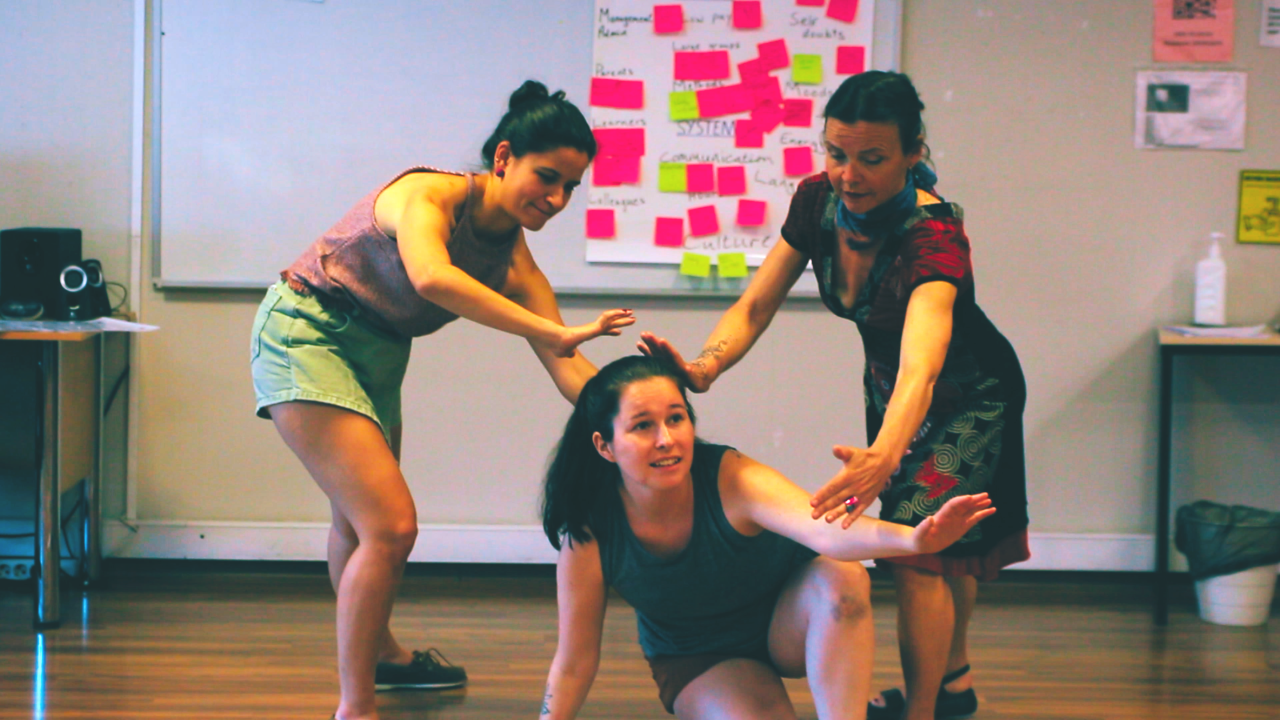
In pairs, one person leads by holding their palm a short distance from their partner’s face. The follower must maintain that exact distance, no matter where the hand moves—forcing them into exaggerated, unfamiliar movements. Eventually, roles reverse, and both partners lead and follow at once.
This activity sharpens focus, encourages non-verbal communication, and increases body awareness. It’s physical, fun, and deeply reflective.
Watch a demo here

Reflection prompts may include:

  • How did it feel to lead/follow?
  • What does this reveal about your teaching habits or classroom dynamics?

Embodied Group Activities

Here are a few other engaging techniques I use in workshops:

  • Cat and Mouse Tag – Builds energy and group coherence; opens space for reflecting on roles we adopt in life.
  • Map on the Floor – A visual activity encouraging self-disclosure and trust.
  • Wink Game / Everyone Who… – Enhance eye contact, group focus, and awareness of interpersonal dynamics.

These activities foster self-expression, emotional presence, and group connection—skills that are vital in today’s classrooms but often overlooked in teacher education.

Why Performative Skills Matter

While cognitive knowledge is emphasized in teacher training, performative skills—like presence, voice, gesture, and adaptability—are often neglected. Embodied pedagogy bridges this gap, supporting teachers to grow not only professionally, but personally.

A Space to Explore

Every July, I host a face-to-face weekend workshop in Istanbul focused on performative pedagogy. Together, we:

  • Practice drama-based techniques adaptable for ELT classrooms
  • Reflect on our teaching identities
  • Explore what it means to be fully present, engaged, and responsive as a teacher

As one participant shared:

“This workshop unlocked something powerful in me. I teach differently now—more freely, more fully myself.”

Join the Journey

I invite you to step into this space of exploration, creativity, and growth. Embrace the power of embodied learning and rediscover your voice as a teacher.

🔗 Dive deeper into this approach through my blog www.tom-godfrey.com and YouTube channel for resources, activities, and reflections.

Let’s grow, together. Join our free community Performative ELT

Posted in Teacher Development | Tagged , , , , , , , , | Leave a comment

Teacher Identity: A Journey of Self-Discovery

Why Identity Matters

Our identity shapes who we are—not just as educators, but as human beings. It’s a tapestry of our beliefs, behaviors, values, and emotions. To grow as teachers, we must explore the deeper question: Who am I in the classroom?

Questions That Guide Us

Self-discovery begins with reflection. Ask yourself:

  • Why am I here—right now, in this moment?
  • Why did I become a teacher?
  • What kind of teacher am I becoming?

These questions don’t have quick answers—but they open a path to greater awareness of your values, motives, and teaching style.

Two Avenues to Self-Awareness

1. Reflecting on Role Models

Our identity is often shaped by those who came before us.
For me, that person was my father. Quiet and introverted, he was the opposite of my exuberant Irish mother. He rarely spoke in crowds, but when he did, his storytelling held everyone captive. It taught me that presence isn’t about volume—it’s about timing, authenticity, and knowing when to take the floor. That lesson still informs how I teach.

2. Learning Through Contrast

We also learn from those who challenge our assumptions.
Early in my career, I worked with Esat Hoca, a Naval Academy teacher who proudly claimed: “I don’t care if learners like me, as long as they learn.” I disagreed—surely connection matters?
But I watched as his students worked with focus and respect, not because they liked him, but because they trusted his commitment. He taught me that an emotionally safe classroom can be built in many ways—and that authenticity, not popularity, is key.
The takeaway? There’s no single formula for effective teaching. Different styles work—as long as they’re grounded in genuine care.

Who Shaped You?

Think back to your own journey. Who influenced the teacher you’ve become? What lessons did they teach you—directly or indirectly?

Self-discovery is the foundation of professional development. The more we understand ourselves, the more intentional and impactful we become as educators. Join our free community Performative ELT

Posted in Teacher Development | Tagged , , , , , , , , | Leave a comment

Embodied Teaching: Transforming Professional Development

The Art of Teaching: Embodied Approaches to Professional Development

What does it mean to take an embodied approach to teaching?
For me, it means being fully present—mentally, emotionally, and physically. It’s about the energy a teacher brings into the classroom and the dynamic interplay with learners. When a teacher is fully engaged, learning becomes meaningful and transformative. Embodiment isn’t a technique—it’s a holistic state of mind, body, and spirit.

Why Teaching Is an Art

I believe teaching is more art than science. Here’s why:

  1. It’s Heuristic – Teachers make real-time decisions in unpredictable moments.
  2. It’s Improvisational – No lesson ever goes exactly as planned.
  3. It’s Embodied – Teaching requires physical presence and emotional investment.
  4. It’s Emergent – Learning outcomes often unfold in the moment, not by prescription.

Yet most teacher training focuses on procedure—planning lessons, writing aims, following set methods. During the pandemic, this approach was further challenged. Teaching went online, and with the body removed from the classroom, we had to reimagine what “presence” meant.

Rethinking the Role of the Teacher

This shift sparked a deeper question:
Are teachers just transmitters of content—or facilitators of understanding, growth, and transformation?

From my experience, teachers fall along a spectrum.

  • On one end are those who deliver content with precision, following what I call the competence model: structured, aim-driven, and teacher-centered.
  • On the other are those who teach through performance: adapting to learners, encouraging communication, and creating learner-centered spaces.

Most teachers move between these roles, depending on context and confidence.

The Head, Body, and Heart of a Teacher

Ultimately, a teacher draws on three essential dimensions:

  • Head – Knowledge and theory
  • Body – Practice and lived experience
  • Heart – Personality and emotional connection

So… what kind of teacher are you? And how can you grow into the teacher you want to become?

In my next post, I’ll explore how to reflect on your teaching identity and develop the skills to bring it to life.

If you want access to online courses, handbooks, lesson plans on this topic. Join our free community Performative ELT.

Posted in Teacher Development | Tagged , , , , , , , , | Leave a comment

Transforming Teacher Development with Performative Pedagogy

In recent years, there has been a growing recognition that traditional models of teacher development often fall short. Workshops are delivered with enthusiasm, participants respond positively, and yet when asked if they will use what they’ve learned, many teachers hesitate. “It was a lot of fun,” they say. “But it’s not really for me.” Why the disconnect?

This handbook and my upcoming online course is my response to that question. You can access all these resources by joining our free community on this link

My name is Dr. Tom Godfrey. I am a teacher, teacher educator, and theatre practitioner. Over the past three decades, I have worked in classrooms and training rooms across the globe. In that time, I have come to believe that sustainable teacher development requires more than exposure to techniques. It requires space for reflection, ownership of content, emotional engagement, and a willingness to see teaching not just as the transmission of knowledge but as a fundamentally human, creative, and performative act.

Performative Pedagogy and Community Forums for Teacher Development introduces a practical framework for participatory, teacher-led professional development grounded in the principles of applied theatre. This approach invites educators to draw on their lived experiences, explore their challenges through movement, voice, and image, and engage in dialogic reflection with their peers. The goal is not merely to improve performance in the classroom but to reimagine what teacher learning can look and feel like when it is embodied, collaborative, and emotionally resonant.

The core methodology—Community Forums—is inspired by Augusto Boal’s Forum Theatre and Paolo Freire’s pedagogy of critical consciousness. In adapting these powerful models for teacher education, we create opportunities for teachers to share and re-enact their own stories of challenge, to experiment with alternative actions, and to build facilitation skills that support genuine dialogue and transformation.

This handbook outlines the structure, philosophy, and activities of a series of workshops I have delivered at our training centre in Istanbul and in various online contexts. It is intended for teacher educators, facilitators, and anyone interested in developing a humanistic, embodied, and participatory approach to teacher learning.

If you are interested in drama and innovative teaching approaches join our ‘free’ community on this link


Posted in Teacher Development, Uncategorized | Tagged , , , , , , , , , , , , , | Leave a comment

Embodied Learning in Action: Forum Theatre for Teachers

Tom Godfrey ITI Istanbul, Turkey

At the 2025 IATEFL Conference, I presented a workshop that introduced participants to Forum Theatre as a powerful, embodied approach to tackling teachers’ real-life challenges. Drawing on the techniques developed by Augusto Boal (2002), the workshop invited participants to reflect on their experiences and reimagine possible solutions through physical and collaborative exploration.

I began by outlining my philosophy of embodied learning, which views teachers holistically as physical, mental, emotional, and social beings. In line with this holistic perspective, I argue that professional development should go beyond intellectual reflection to engage the body and emotions in meaningful ways. My interest as a teacher educator lies in reflecting on “action”—both in the classroom and in the wider context of teacher learning. Forum Theatre offers a methodology that allows educators to interrogate and reframe their experiences through performance, storytelling, and collective problem-solving.

Ensemble Building and Group Dynamics

The session began with three warm-up activities designed to build group dynamics and enhance focus as demonstrated in my video (Godfrey, 2004b). Participants stood in a circle and introduced themselves by saying their names aloud. We then moved into a more dynamic version of the name game: each participant crossed the circle to greet someone else with a high-five while saying their name. Once everyone had taken a turn, the sequence was repeated—this time faster, like a choreographed dance. We also performed a “Samurai Dance,” a coordinated group movement involving three symbolic gestures. These initial exercises helped to establish connection, playfulness, and mutual trust within the group.

Developing Listening and Awareness

We continued with activities designed to enhance listening and group awareness. In the “Clap Game,” participants passed a clap around the circle, maintaining a steady rhythm and staying attuned to the group’s flow. We also moved freely around the room, changing pace, freezing, and jumping in unison. These exercises built a heightened sense of self-awareness while fostering sensitivity to others—both essential foundations for ensemble-based group work and collaborative problem-solving.

Trust Building

Next, we worked in pairs to build trust. In one exercise, one person played the “blind” partner, closing their eyes and relying on their guide to lead them around the room using only a distinct sound. This activity heightened participants’ focus and awareness of space and sound, while also requiring mutual care and responsibility.

We then moved into an exercise called “Blind Magnets.” All participants closed their eyes and walked around the space. First, they were told they were repelling magnets—if they sensed or touched another person, they needed to move away. Then, with a shift in instruction, they became attracting magnets, joining with anyone they touched to form clusters. The shift from repulsion to attraction served as a metaphor for exploring connection, vulnerability, and community.

Engaging with Forum Theatre

Having established a sense of trust and cohesion, we transitioned into Forum Theatre work. We began by exploring still images. One participant stepped into the centre and created a frozen pose using their body. Others gradually joined, contributing their own poses to build a group tableau. I then invited the rest of the group to step into the image, choosing characters they felt drawn to. We explored the imagined voices, sounds, thoughts, and hidden desires of these characters, enriching the scene with layered perspectives.

Building on this, I asked participants to reflect on real challenges they faced as teachers. Each person embodied their challenge using a sound and shape. In small groups, participants shared their stories and worked collaboratively to dramatize one of the scenarios. These scenes were then performed for the wider group.

The heart of the Forum Theatre method lies in the moment of intervention. For examples of Forum Theatre view my video (Godfrey, 2024a). After watching the initial scene, audience members were invited to step into the drama, replacing the protagonist and trying out different strategies to resolve the problem. These interventions typically spark discussions, multiple perspectives, and opportunities to experiment with alternative responses.

Conclusion

The workshop demonstrated how Forum Theatre can provide a dynamic and reflective space for educators to explore their lived experiences. Through movement, storytelling, and collective action, participants gained insight into their challenges and experimented with creative solutions in a safe and supportive environment. Rather than offering prescriptive advice, this method encourages teachers to become protagonists in their collective stories—engaging body, mind, and heart in the ongoing process of professional growth.

References

Boal, A. (2002). Games for Actors and Non-Actors (2nd ed.). Routledge.
Godfrey, T. (2024a). Community Forums: A bottom up approach to Teacher Development [YouTube video]. https://youtu.be/6RtJsoUvFao
Godfrey, T. (2024b). Performative Pedagogy and Embodied Methods [YouTube video]. https://youtu.be/H8VoyPEilhE

Posted in Teacher Development, Uncategorized | Tagged , , , , , , , , , , , , , | 1 Comment

Why Trainees Love ITI’s CELTA Course

Interested in learning what our trainees have to say about their experience at ITI?  Here’s what some  of our participants had to say and we are thrilled to share it with you!

Our CELTA course has been described as nothing short of exceptional by those who have experienced it firsthand. Our tutors have also been described as simply amazing—supportive, experienced, and patient. One trainee noted that their insightful feedback was “invaluable in my growth as a teacher, and I highly recommend CELTA to anyone looking to enhance their teaching skills.”

At ITI, we take great pride in the professionalism and dedication of our tutors. Their expertise and support create an environment conducive to learning and growth, making every moment in class both enriching and rewarding.

Another participant commented, “the lessons I’ve learned during my time at ITI have been incredibly valuable, and the tutors have always been there to lend a helping hand. The camaraderie among fellow attendees has also been amazing, and their support has been greatly appreciated. It’s been a life-changing experience that has opened my eyes to the world of teaching.”

“Each tutor brings their own unique perspective on language instruction, and I feel blessed to have had the opportunity to learn from them.”  It’s no surprise to me that ITI scores a remarkable 9.4 out of 10 based on 2,821 student reviews.

If you’re curious to learn more about what sets ITI apart, I encourage you to visit our website. There, you can discover the range of courses we offer and the incredible opportunities awaiting you. So, if you’re ready to explore new possibilities and embark on a journey of learning and discovery, I encourage you to reach out to us today. Let ITI help you achieve your goals and unlock your full potential!

Posted in TEFL | Tagged , , , , , , , , | Leave a comment

DRAMA in THE ELT CLASSROOM

Get your copy

https://performativeelt.com/roadmap

How Do You Transform Your English Lessons to Engage Students Like Never Before Even when following a structured and uninspiring Syllabus

Get This FREE Copy Of “Drama in the Classroom 9 Innovative Activities to Inspire and Engage” & Discover The Exact Steps To Creative and Fun Lessons!

Posted in Uncategorized | Tagged , , , , , , | Leave a comment

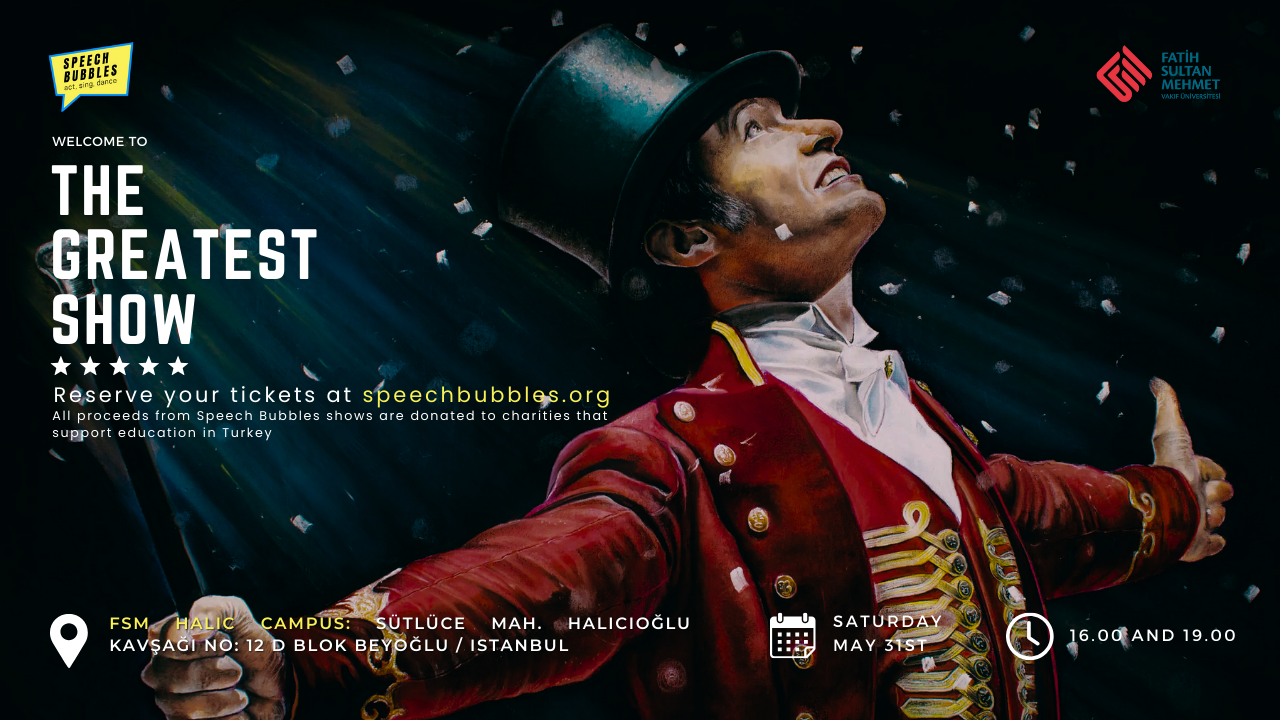
Speech Bubbles next performance

“A million dreams are keeping us awake!” Speech Bubbles invites you to join us for an evening of pure theatrical delight with “The Greatest Show,” featuring the soaring anthems of The Greatest Showman. Feel the energy, witness the talent, and be part of something truly special on Saturday, May 31st. Book your seats today! #LiveTheatre #MusicalTheatre #SpeechBubbles

Posted in Uncategorized | Leave a comment

Teaching Artistry: The Power of Embodied Learning

In an era dominated by technology and social media, education often leans heavily on screens, digital content, and online interactions. While these advancements offer incredible opportunities, they can sometimes overshadow the essential human elements of teaching—connection, presence, and engagement. As educators, we must recognize the value of embodied, performative education, which integrates the physical, mental, and emotional components of learning. The classroom is more than a space for knowledge transfer; it is a stage where dynamic rapport, positive energy, and, most importantly, fun, play a crucial role in fostering deep and meaningful learning experiences.

This is where Teaching Artistry for Educators comes in—a brand-new, innovative online course designed to transform the way we teach by embracing the artistry of education.

Why Teaching Artistry?

At its core, teaching is a performance. It requires presence, adaptability, and an ability to captivate and inspire learners. Teaching artistry is not about putting on a show but about creating an environment where students feel seen, heard, and fully engaged. When we use our voice, body, and emotions effectively, we enrich the learning experience, making lessons more interactive, memorable, and impactful.

The part-time online course Teaching Artistry for Educators, starting on 7th April 2025, is designed to equip teachers with the skills they need to elevate their classroom practice. By integrating principles from theatre, storytelling, and Social and Emotional Learning (SEL), this course offers a holistic approach to teaching that fosters both educator and student growth.

What You Will Gain

  1. A Deeper Understanding of SEL – Explore how Social and Emotional Learning enhances student engagement, emotional intelligence, and classroom harmony.
  2. Performative and Facilitation Skills – Develop your voice, movement, and stage presence to create dynamic and participatory lessons.
  3. Active Listening and Effective Feedback – Learn how to build meaningful interactions through refined sensory awareness and communication techniques.
  4. Teaching Identity Exploration – Uncover the ‘why’ behind your teaching methods and cultivate a stronger sense of professional identity.
  5. Engagement Strategies – Discover tools to create learner-centered environments where students actively contribute to their own learning.
  6. Community and Collaboration – Connect with fellow educators who share a passion for creative and transformative teaching.

Course Highlights

  • Practical Teaching Techniques – Strategies that can be immediately implemented in your classroom.
  • Deep Reflection on Teaching Identity – Understanding the layers of who you are as an educator.
  • Creative, Participatory Solutions – Hands-on activities that address real-world teaching challenges.
  • Joy and Fulfillment in Teaching – Rediscover the passion that brought you to education in the first place.
  • A Recognized Certification – Earn the Teaching Artist Certificate from ITI, a testament to your commitment to excellence.

Join the Movement

Education should be vibrant, immersive, and engaging. If you believe that teaching is more than just delivering content—that it’s about presence, interaction, and fostering a love of learning—then Teaching Artistry for Educators is for you.

Spaces are limited, so secure your place today and take the next step in transforming your teaching practice!

Visit our website to enroll and become a Teaching Artist. Let’s bring joy, connection, and artistry back into education.

Posted in Uncategorized | Tagged , , , , , , , , , , , | Leave a comment